
Fake traffic violation texts are spreading across the U.S., using QR codes to steal payment and personal data. Here’s how the scam works, who it targets, and how to stay safe.
Table of Contents
What Happened?
The message looks official. It may say you owe a small amount, like $6.99, and warn that you may have to go to court if you don’t act quickly.
But the message is fake.
This scam is spreading across many U.S. states, including New York, California, Texas, and others.
Real courts and government agencies do not send texts like this or ask for payment through a QR code.
Who Is Affected?
This scam targets drivers across the United States.
Any driver with a phone can receive one of these messages — even if you’ve never had a traffic violation.
Scammers send these texts to large numbers of people, hoping that:
- Some will believe the message
- Some will feel worried and act quickly before they think twice
What Information Do Scammers Collect?
If someone follows the instructions and tries to pay, scammers can collect:
- Full name
- Home address
- Phone number
- Email address
- Credit card details
They can use this information to:
- Take your money
- Commit fraud
- Target you with more scams later
And it may not happen right away — your data can be used weeks or even months later, when you least expect it.
If there’s any chance your data is already out there, don’t wait to find out the hard way.
With Futureproof, you can quickly check whether your data was leaked and get clear, simple steps to lock down your accounts before anything goes wrong.
How the Fake Traffic Ticket QR Code Scam Works
Here’s how the fake traffic violation text scam usually plays out:
- You receive a text that looks like it’s from a court or government agency
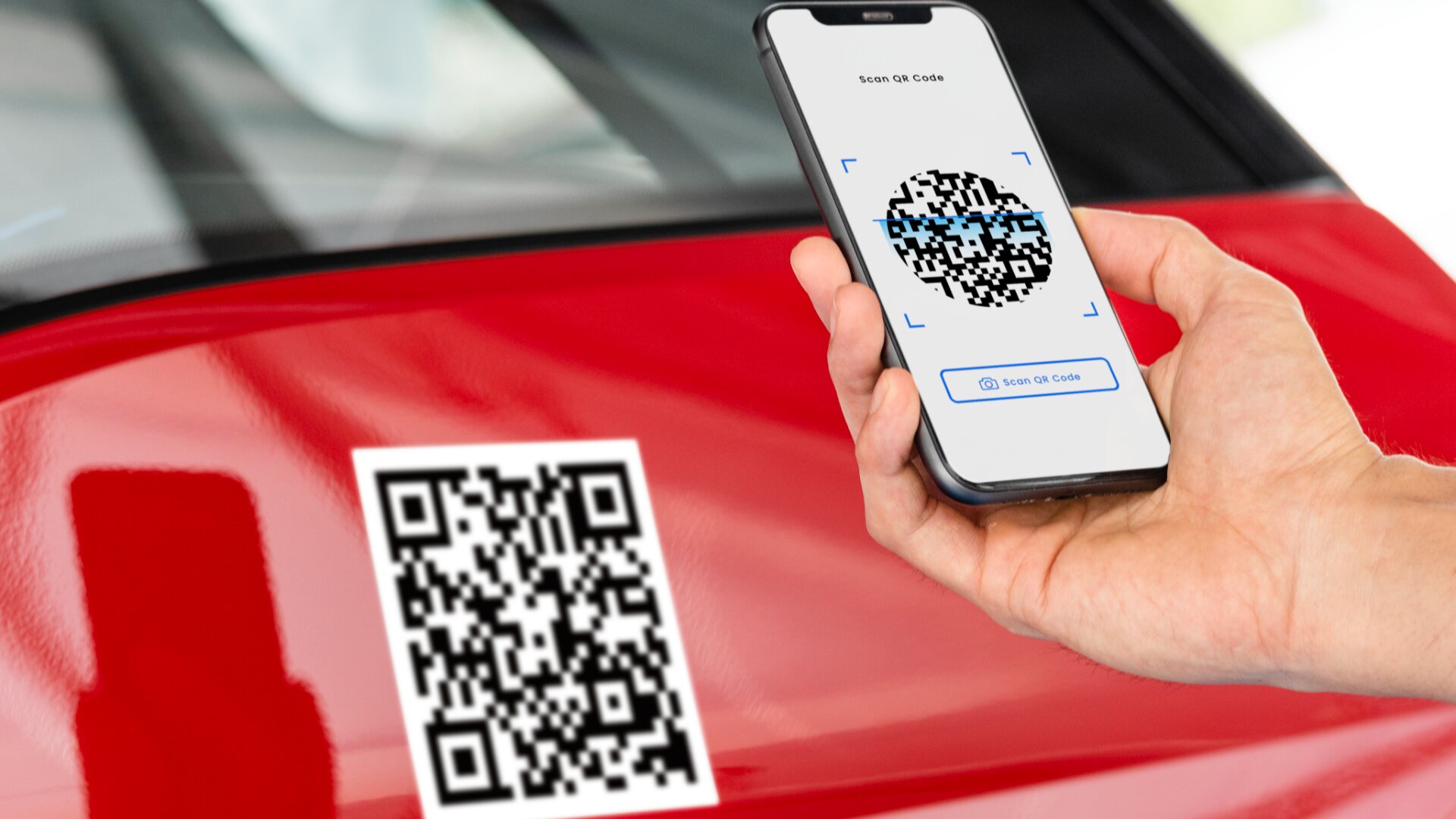
- The message includes a QR code instead of a normal link
- You scan the code
- It takes you to a fake website that looks official
- The site asks you to pay a small fine
- You enter your personal and payment details
- The information goes directly to scammers
Scammers use QR codes because they feel more trustworthy and are harder for security tools to detect.
Futureproof keeps your data safer with simple guidance to set a strong password, turn on 2-step verification, and lock down your account.
Check my safetyWhat This Case Teaches You
This scam works because it feels real.
It uses official language, a small payment amount, and a sense of urgency to make you act quickly without thinking.
Most people don’t expect a scam to look like a court notice, and that’s exactly why it works.
Here’s what you can take from this:
- Urgent messages are a warning sign, not a reason to act
- Even small payments can be scams
- QR codes are not always safe — many QR code scams are designed to lead you to fake websites
- Messages that look official, like toll road texts, can still be fake

How to Protect Yourself in 5 Simple Steps
These steps can help you stay safe if you get a fake traffic violation text:
1. Don’t scan QR codes from unexpected texts
Scammers use QR codes to hide unsafe links and make messages look more official.
Don’t scan QR codes sent in text messages you weren’t expecting. Instead, go to the official website, log in if needed, and check if there’s any real notice.
2. Don’t pay fines through text messages
Scammers pretend to be courts or government agencies and ask for quick payment.
Don’t pay any fine through a text message. Go to your local court’s official website or call them directly to verify.
3. Go to official websites on your own
Fake messages often send you to websites that look real but are not.
Instead of clicking links or scanning codes, open your browser and type the official website address yourself.
4. Be careful with urgent messages
If a message says “act now” or “final notice,” pause and double-check before doing anything.
5. Don’t share personal or payment details on suspicious sites
Scammers try to collect your information so they can steal money or access your accounts.
Never enter payment or personal details on a site you reached from a text message. Close the page and use a trusted website instead.
It is also recommended to secure your key accounts so scammers can’t access them, especially your email, as it’s the key to nearly everything else online.
Use a unique password for every account and enable two-step verification wherever possible.
With Futureproof Email Protection, you can do this in just a few steps.
Email Protection walks you through setting a strong password and turning on two-step verification — step by step, so your email and personal data stay protected.
Fake Traffic Violation Texts Don’t Just Take Money — They Take Your Trust
The fake traffic violation scam isn’t really about the payment. It’s about getting you to trust the message just enough to act.
Once you scan the QR code and enter your details, scammers have what they need — your information, your payment, or a way to reach you again later.
Don’t react right away — take a moment to check and go to the official website yourself.
That way, your data stays safe, and you keep your peace of mind.

At Futureproof, Kevin explains digital safety in simple words, with clear tips and zero fluff. He holds a degree in information technology and studies fraud trends to keep his tips up-to-date.
In his free time, Kevin plays with his cat, enjoys board-game nights, and hunts for New York’s best cinnamon rolls.
