
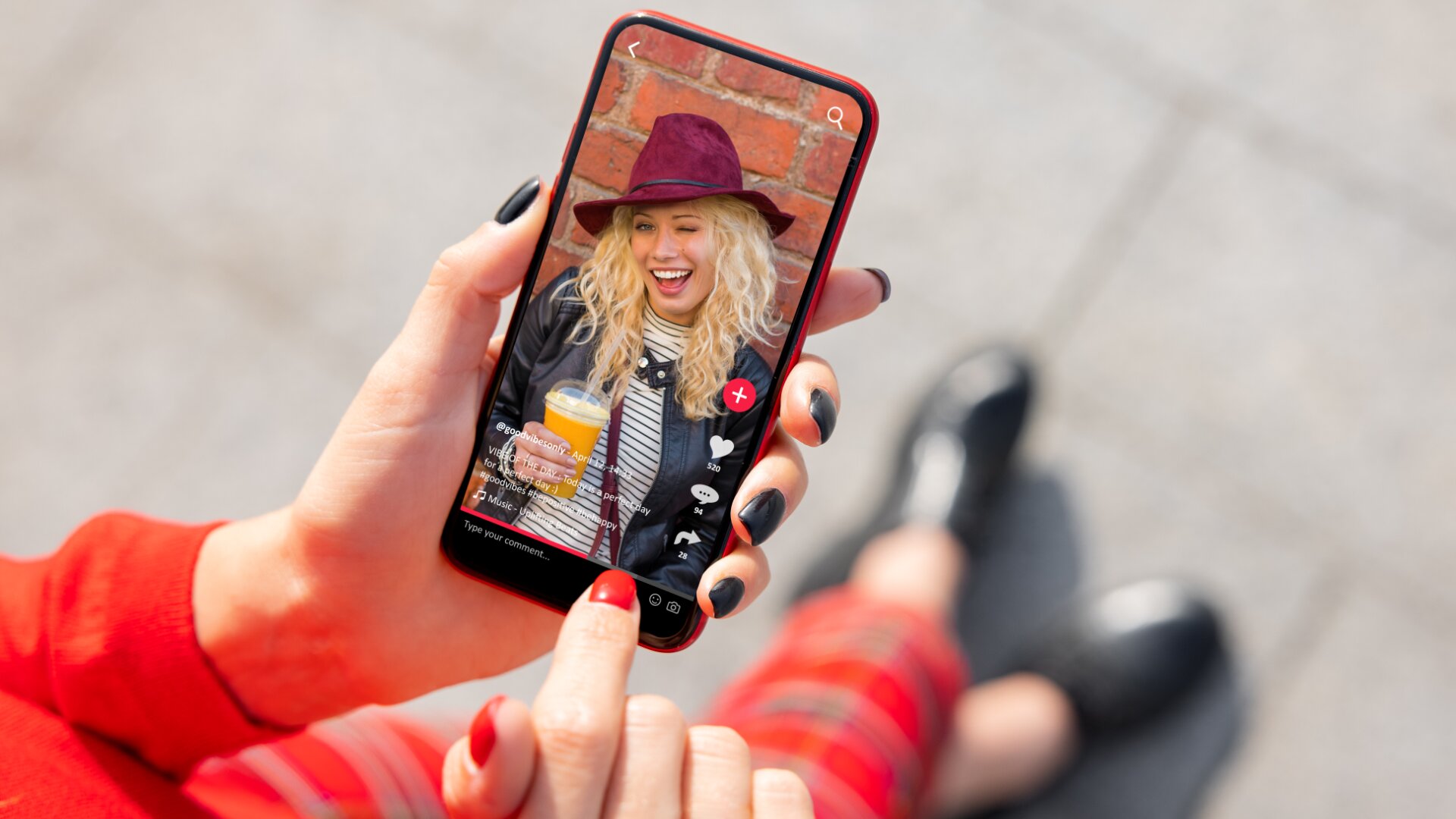
AI-generated TikTok ads are impersonating top celebrities to promote fake programs that promise easy money. Here’s how these scams work, why they’re spreading, and what it means to you.
Table of Contents
What Happened?
The scam ads show well-known faces like Taylor Swift, Rihanna, and Kim Kardashian.
At first glance, it all looks real, with natural voices and familiar settings like red carpet interviews or podcasts. But the videos are fake.
Scammers take real clips and change them with AI. They adjust the face, copy the voice, and add filters to hide small flaws. Then they make it look like the celebrity is talking directly to you.
This type of scam is called a deepfake celebrity scam. It uses fake videos of real people to build trust, lower your guard, and trick you into sharing personal information or sending money.
In these ads, a celebrity promotes an easy way to earn money — usually something simple, like getting paid to watch videos or share your opinion.
How Deepfake Celebrity Scams Work
Deepfake celebrity scams follow a simple pattern. Once you know the steps, they’re much easier to spot:
- First, you see a familiar face on TikTok
While scrolling on TikTok, you come across an ad with a celebrity you know from interviews, music videos, or TV.
- Next, you hear an easy offer
The celebrity says you can earn money by doing something simple, like watching videos or sharing opinions.
- Then, you’re pushed to act fast
The message tells you not to think too much and suggests the offer may not last long.
- After that, you click the link
The ad takes you to a page that looks connected to TikTok, often using similar colors, logos, or layouts.
- Finally, you land on a different website
From there, you’re quickly taken to a fake site that looks real at first and asks for your name, email, or phone number.
- At that point, scammers have what they need
Once you enter your details, they can use your information for convincing scams or sell it to others.
Who Is Most at Risk?
Anyone using TikTok can come across these ads.
But some people are more likely to trust them:
- People who follow celebrities and trust what they say
- Anyone looking for simple ways to make extra money
- Older adults who may not expect videos to be this realistic
- People who click quickly without checking the details
Some users are especially vulnerable to these types of scams. In many cases, scammers target people who are already more likely to trust what they see online or are under pressure to find quick solutions.
These deepfake scam ads are becoming more common across social media. The Federal Trade Commission reports that a large share of scams now start on social media, often through ads or messages.
Futureproof keeps your data safer with simple guidance to set a strong password, turn on 2-step verification, and lock down your account.
Check my safetyWhat Information Scammers Collect
These fake websites usually ask for basic details, such as:
- Your full name
- Your email address
- Your phone number
- Sometimes your age or location
It may seem harmless to share this.
But even this small amount of information gives scammers a starting point.
Criminals can:
- Send messages that look more personal and believable
- Call or text you pretending to be a real company
- Combine your details with other leaked data to learn more about you
Over time, this can turn into more serious fraud.
Not sure if your information is already out there? It’s worth checking now.
With Futureproof, you can see if your information was leaked at any given time and get simple steps to secure your accounts.
It’s an easy way to reduce your risk and stay ahead of scams.

5 Simple Ways to Avoid Deepfake Celebrity Scams
These simple habits can help you protect your data and your money:
- Pause before you click
If a video promises easy money, stop and take a moment. Scammers count on quick clicks before you think it through.
- Be careful with celebrity ads
Even if it looks real, treat it with caution. Celebrities rarely promote random money-making programs.
- Don’t share personal details on unknown sites
If a page asks for your information right away, that’s a red flag. Close the page and don’t enter anything.
- Look up the offer yourself
Instead of clicking the ad, look it up yourself. If it’s real, you’ll find it on trusted websites.
- Watch for small warning signs
Look closely at the video and listen carefully. Odd voice tone, uneven lip movement, or blurry edges often mean it’s fake.
Your Careful Checking Is More Important Than Ever as AI Advances
In the past, scam ads usually felt off. You could notice odd wording, awkward images, or something that just didn’t seem right. That instinct helped protect you.
Now, AI takes away those usual warning signs. Deepfake ads can look polished and familiar, with celebrities speaking clearly in settings that feel real, like interviews or talk shows.
Your brain treats it as real. And when something feels real, you’re more likely to trust it without stopping to question it. That’s exactly what scammers rely on.
To stay safe, pause before you click, especially if an offer promises easy money. Always double-check the source, and don’t share your personal details on pages you don’t fully trust.

At Futureproof, Kevin explains digital safety in simple words, with clear tips and zero fluff. He holds a degree in information technology and studies fraud trends to keep his tips up-to-date.
In his free time, Kevin plays with his cat, enjoys board-game nights, and hunts for New York’s best cinnamon rolls.