Two lawsuits say a 7-Eleven data breach exposed customer information after ShinyHunters said it stole 600,000 records. Here’s what happened and how you can lower your risk more safely today.
Table of Contents
What Happened?
The lawsuits were filed separately in Texas federal court by Carl Ellison and Rebecca Choplin.
They say 7-Eleven did not properly protect personally identifiable information (PII). PII means details that can identify a person, such as a name, email address, phone number, home address, or account information.
The lawsuits also say the data was not encrypted or redacted, meaning private details may not have been hidden or made unreadable.
Ellison and Choplin want to represent people whose information was involved in the data breach.
The lawsuits request a jury trial and seek damages for affected people.
Who Was Affected and What Customer Data Was Accessed?
The lawsuits say the breach affected people whose private information was stored by 7-Eleven.
The exact number of affected people has not been confirmed. However, ShinyHunters says it stole more than 600,000 records containing personally identifiable information.
What’s still unclear is which data was included. The reporting doesn’t specify whether payment card numbers, Social Security numbers, passwords, or driver’s license details were part of the haul.
However, even basic details — a name, email, phone number, or account identifier — can be enough for scammers to create a convincing fake message or call.
It’s also worth remembering that this may not be the only incident your data has touched.
Many people don’t realize their information has been exposed until they start noticing strange messages or unfamiliar activity on their accounts — often long after the data breach or data leak.
If you’re unsure whether your information has surfaced in a data leak, automatic monitoring can catch it earlier than you would on your own.
Futureproof monitors your data for leaks 24/7 and helps you reduce scam risks with simple, clear steps.
What We Know About the ShinyHunters Extortion Claim
The lawsuits cite public reports saying 7-Eleven was targeted in a pay-or-leak extortion campaign. This means criminals may demand money and threaten to publish stolen data.
The lawsuits also say ShinyHunters took credit for the breach on April 17, 2026. They say the group later posted private information for download on its dark web site. The dark web is a hidden part of the internet.
The source does not explain exactly how criminals got into 7-Eleven’s systems. So, we do not know the exact cause of the data breach.
Since technical details are limited, the main risk is what may happen next.
If personal information was leaked, criminals may use it in fake emails, scam calls, or identity theft attempts.
Futureproof monitors your information for data leaks 24/7 and guides you with clear steps to keep it safer from scams.
Run a free checkWhat the 7-Eleven Data Breach Lawsuits Can Teach You
The 7-Eleven lawsuits show that your information may sit in many places.
Stores, apps, rewards programs, payment systems, and customer service records can all hold personal details.
That means a breach can affect you even when you did nothing wrong.
You may not use a company often, but your information may remain in its systems.
After any data breach, criminals may mention a company name, old account, purchase, or lawsuit to sound trustworthy.
A message that feels personal is not always safe. Take a moment to check the source before you click, pay, or share information.
3 Simple Ways to Lower Your Risk After a Data Breach
Companies will keep collecting your data. What you can control is how ready you are if something goes wrong.
These habits can help reduce your risk:
1. Watch for messages about 7-Eleven or settlement money
Be careful with emails, texts, or calls that mention 7-Eleven, a refund, or a class action payment.
Criminals often use real news to make fake messages look believable. Do not click links in unexpected messages.
Go directly to the company’s official website or the court-approved settlement website if one becomes available.
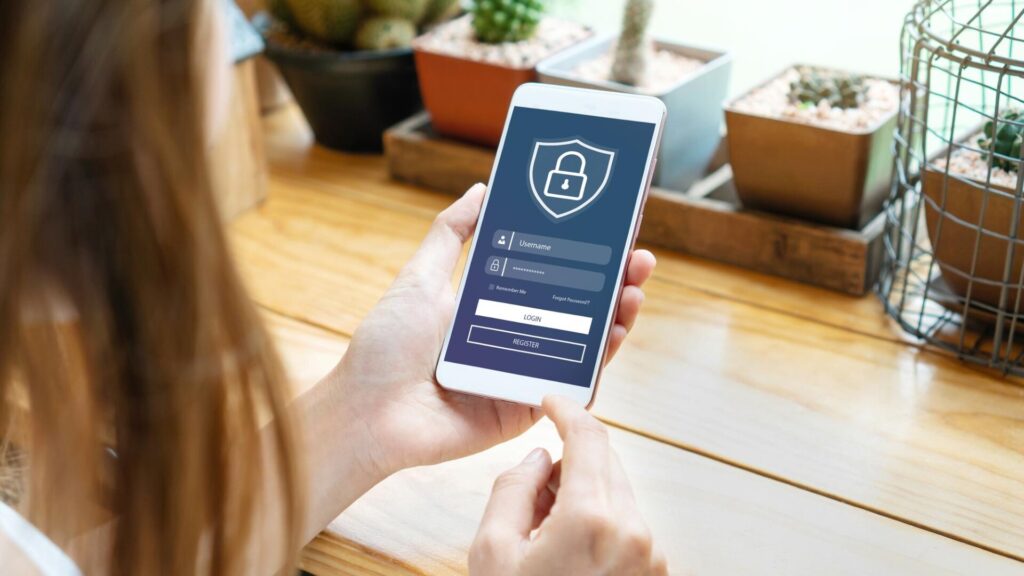
2. Protect your email account
Your email connects to many of your online accounts. If someone gets access to it, they may reset passwords for other services.
Use a strong password and turn on two-step verification. This means you need a second code to sign in.
This extra layer goes by a few names — two-step verification, two-factor authentication, or multi-factor authentication — but they all work the same way: a second layer of protection beyond your password.
According to the Cybersecurity and Infrastructure Security Agency (CISA), enabling multi-factor authentication makes you 99% less likely to be hacked. It’s one of the most effective steps you can take to secure an account.
On most accounts, open Settings, then Security. Look for Password, Sign-In, or Two-Step Verification.
If you are not sure how to set up extra protection, the Futureproof Email Protection tool guides you through the process step by step.
Email Protection helps you create a strong password and set up two-step verification to secure your account.
3. Check your bank and card activity
Look for small charges you do not recognize, not just large ones.
Criminals sometimes test payment information with small purchases before trying bigger ones.
If you see a charge you do not recognize, contact your bank or card company right away.
Use the phone number on the back of your card.
Your Information Can Travel Far Beyond One Breach
The 7-Eleven lawsuits show how one data breach can create risks that last longer than the headline.
Once personal information is exposed, criminals may reuse it in many ways. They may send phishing emails (fake emails that try to steal your information or money), make fake calls, or try to open accounts in your name.
Protect your email, watch your financial activity, and be careful with messages that create urgency.
Tools like Futureproof can also help you spot data leak risks earlier.
You deserve to know when your information may be at risk, without feeling overwhelmed every day.

At Futureproof, Kevin explains digital safety in simple words, with clear tips and zero fluff. He holds a degree in information technology and studies fraud trends to keep his tips up-to-date.
In his free time, Kevin plays with his cat, enjoys board-game nights, and hunts for New York’s best cinnamon rolls.