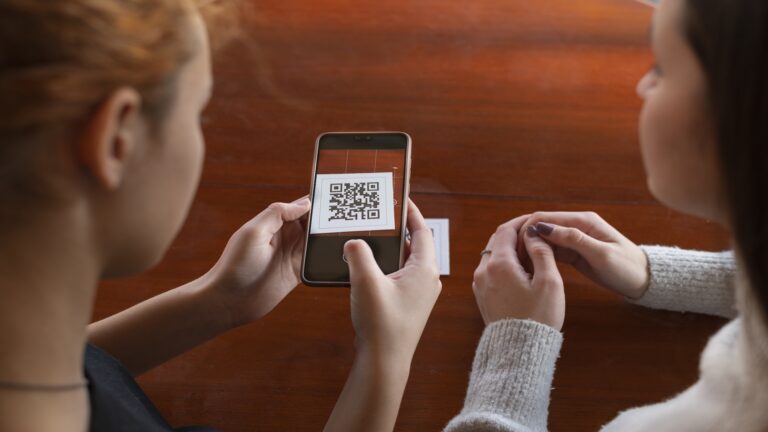
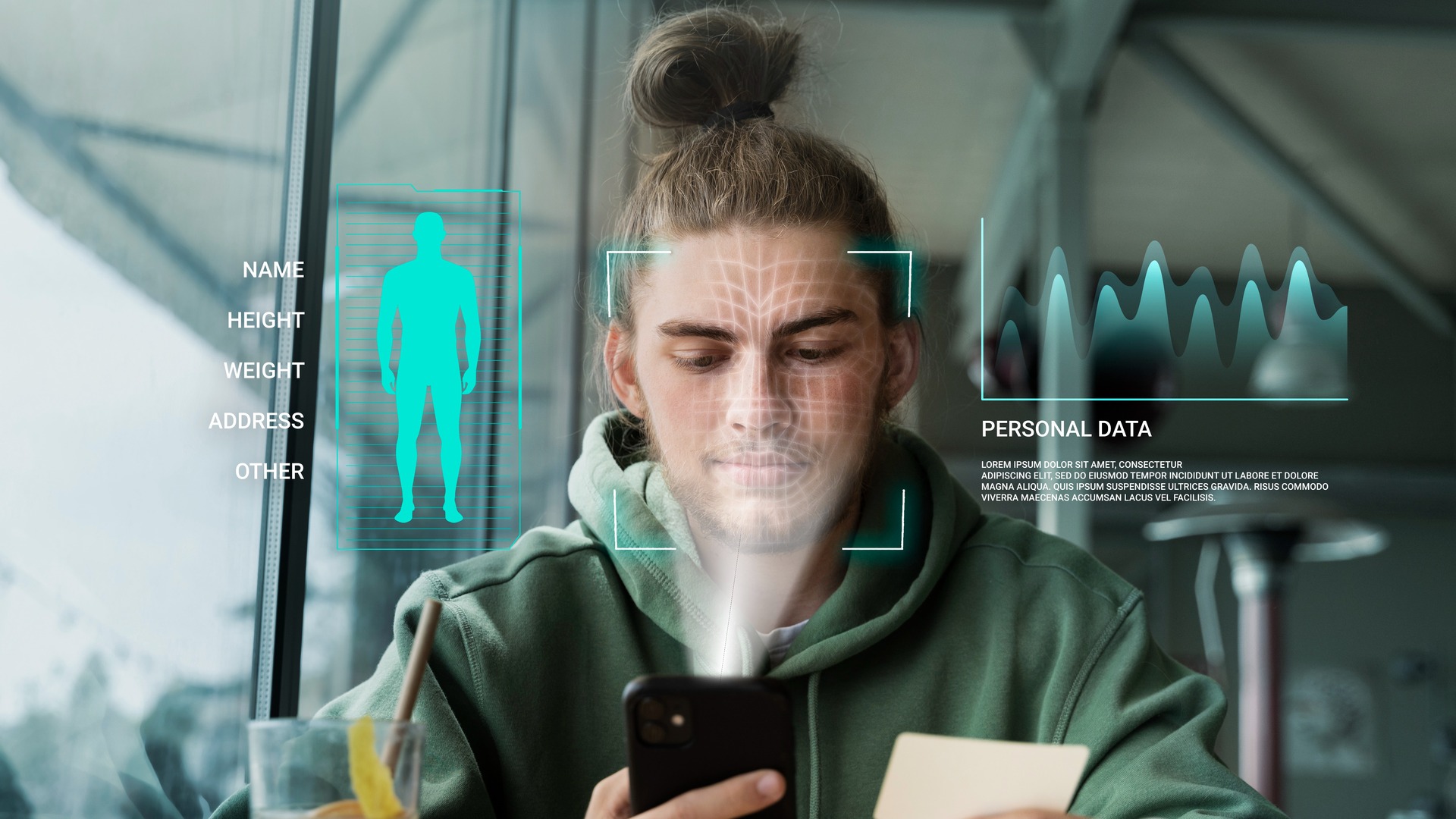
When we think about identity, we usually think about something familiar and physical — our face, our voice, the way people recognize us in daily life. But today, there is another version of you that exists online, built from every account you’ve created, every phone number you’ve entered, every device you use.
This identity has formed quietly and gradually, yet it now affects almost everything we do.
You rely on this digital version of yourself to unlock your phone, send money, sign documents, talk to friends, work remotely, shop, travel, and manage personal information. Your digital identity has become so deeply connected to everyday life that losing control of it can disrupt far more than your social media — it can affect your access to money, communication, and essential services.
Table of Contents
What Your Digital Identity Is Made Of
Your digital identity isn’t just your email or your login details. It’s the combination of many elements that create a recognizable pattern of “you”:
- Personal information you’ve entered into accounts
- Email, banking apps, social media profiles, cloud storage
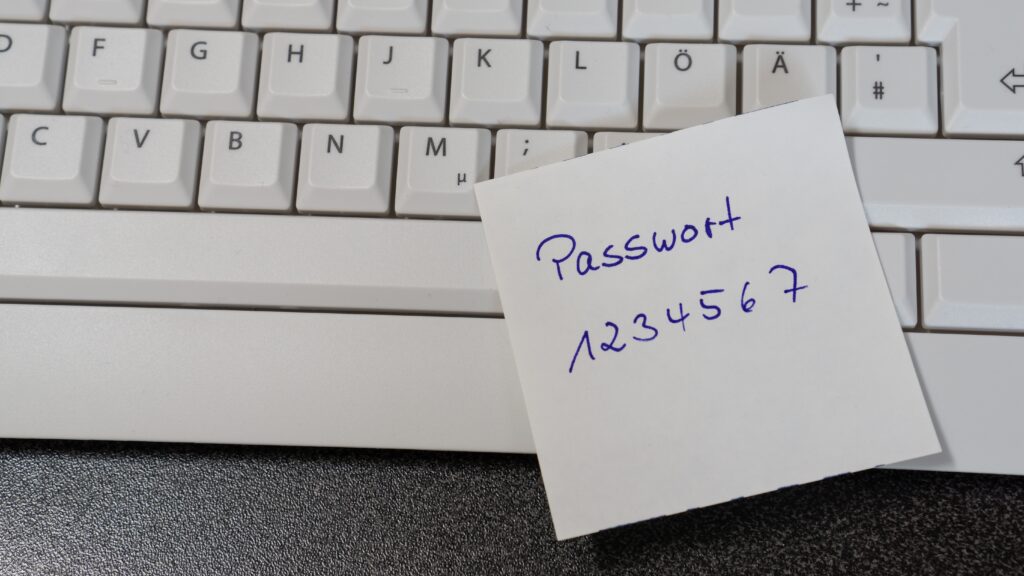
- Passwords — especially if they repeat across platforms
- Devices you use and where you typically use them
- Biometric confirmations like Face ID or fingerprints
- Behavior patterns such as when you usually log in and how you navigate apps
Together, these details form a profile that systems trust as you. If someone gathers enough of those details, they can pretend to be you.
How Your Digital Identity Was Built Without You Noticing
It didn’t form all at once. It built slowly, one action at a time:
- Your first email account
- The password you reused because it was easier
- Addresses you saved for faster delivery
- Apps you allowed to “Sign in with Google / Apple”
- Phone numbers entered to receive verification codes
Over time, systems learned your habits and patterns — not just your information. Today, this digital identity can be more trusted than your physical presence. You can hold your passport, but if your digital profile doesn’t match, you may still be denied access.
That is how real this has become.
How Identity Theft Usually Happens
Most people imagine hackers breaking into systems using complex code. In reality, it usually goes like this:
- A password you reused appears in a data breach or data leak.
- Someone tries that password on your email.
- If they get in, they reset your access to everything else.
This is not just a technical issue. It is about control, trust, and personal safety.
Your email is the master key to your digital identity. If your email falls, everything connected to it becomes vulnerable.
At Futureproof, we scan for data leaks tied to your email 24/7, and alert you the moment your info is at risk. Try us today for simple, year-round protection.
Why This Matters More Than Ever
A decade ago, losing access to an account was annoying but fixable. Now, your digital identity unlocks:
- Banking and payment services
- Work tools and business systems
- Healthcare and insurance information
- Travel and government portals
- Private communication and stored files
This is why identity theft is no longer about someone buying something with your card. It’s about someone being able to step into your place digitally. Consider this example: in 2024 alone, consumers in the U.S. reported 1.1 million cases of identity theft, resulting in $12.5 billion in losses.
This is not a rare problem. It is widespread and mostly silent.
How to Protect Your Digital Identity: 5 Easy Steps
The goal is not to disconnect or avoid technology. Life is digital now — and that’s normal.
The goal is to own and maintain the digital version of yourself, the same way you manage the physical one. You don’t need extreme security. You just need awareness and a few consistent habits.
Because protecting your digital identity is not about fear. It is about keeping control of how you live, work, and interact online.
Here’s how you can keep your digital identity safer:
- Use a strong, unique password for your email — it protects all other accounts.
- Use an authenticator app for two-factor verification, not SMS — it’s safer.
- Avoid logging into personal accounts using public Wi-Fi without extra protection.
- Delete old accounts you no longer use — fewer accounts mean fewer risks.
- Turn on login alerts for your main accounts — so you know immediately if someone tries to get in.
Small steps like these significantly reduce the chance of someone accessing your digital identity.
It’s Your Identity. Let’s Keep It That Way
We are no longer just physical people. We are also digital. And the digital identity is the version of us that systems trust most.
If you don’t shape it — someone else might. If you don’t protect it — someone else could take control of it. And if someone else controls your digital identity, they do not just steal data.
They gain the ability to influence your access, your money, your relationships, your opportunities — your life.
Understanding your digital identity is not optional anymore. It is part of being a person today.

At Futureproof, Kevin makes online safety feel human with clear steps, real examples, and zero fluff. He holds a degree in information technology and studies fraud trends to keep his tips up-to-date.
In his free time, Kevin plays with his cat, enjoys board-game nights, and hunts for New York’s best cinnamon rolls.