

Scammers are getting smarter. Every day, millions of people receive fake texts, emails, or phone calls designed to steal their money or personal information. These scams look real, feel urgent, and prey on fear, curiosity, or trust. And they work.
But today, you’ll learn how to stop them in their tracks.
Table of Contents
Scams Have Always Existed — But Now They’re Closer Than Ever
Scams aren’t new — they’ve just changed with the times. From fake gold rushes and pyramid schemes to mail fraud and phone scams, con artists have always found ways to exploit trust and urgency to profit at your expense.
Today, the same tricks happen online — in your inbox, text messages, and social media feeds.
The internet makes scamming easier than ever. We bank, shop, and communicate online, often without knowing who’s on the other side of the screen. This anonymity is a scammer’s greatest weapon. They impersonate trusted institutions, create fake emergencies, and manipulate emotions — all to steal your money, personal data, or account access.
The methods change, but the goal stays the same — to trick you before you catch on.
How Scammers Trick You
Scammers don’t need luck or force — they rely on psychological tricks to make you act before you think.
They create panic, urgency, and false trust to cloud your judgment. The more rushed you feel, the harder it is to think clearly — until it’s too late. Whether they impersonate a bank, a friend, or a company, their goal is always the same: manipulate your instincts before logic kicks in.
By making their messages seem urgent and believable, scammers stop you from verifying whether they are real. The faster they push you to act, the less time you have to recognize the trap.
Here are five common tactics scammers use to manipulate their victims:
5 Triggers Scammers Use to Manipulate You
- Fear — “Your bank account is at risk!”
Fear-based scams make you panic, making it harder to think clearly. Scammers pressure you into acting fast, like transferring money or revealing sensitive information to “fix” an urgent problem. - Urgency — “Act now before it’s too late!”
A false sense of urgency forces quick decisions. Scammers make you believe you have only minutes to prevent disaster — before you have time to verify anything. - Greed — “You’ve won a prize!”
When people see an opportunity for easy money or rewards, they may overlook warning signs. Scammers promise high-value prizes or investments but always demand something first — a payment, personal details, or login credentials. - Trust — “Hey, can you do me a quick favor?”
Scammers pretend to be someone you know, making harmless-sounding requests. They may ask for help, money, or a quick payment — counting on trust to avoid suspicion. Some even trick you into clicking links, claiming it’s for a “family member’s” contest — but it often leads to a phishing site or malware. - Curiosity — “Click to see who viewed your profile.”
Scammers use curiosity to bait you into clicking dangerous links. They trick you into downloading malware or revealing information — without realizing the risk.
And remember — these psychological tricks apply not only to digital scams but also to offline scams. Whether it’s a phone call, a knock on your door, or a message in your inbox, the same red flags apply.
Forewarned Is Forearmed
We’ve compiled a selection of the top 10 most common scams our users face daily — these are the classic tactics scammers rely on time and time again.
If you’ve ignored these before, you might have been a target. Maybe you received a suspicious message and brushed off a gut feeling that something wasn’t right.
After this, you won’t be left guessing. You’ll know exactly how these scams work, what to watch for, and how to spot them like a pro.
The Top 10 Scam Messages Regular People Fall For
1. Account Security Alert
Examples:
- “Suspicious activity detected on your account — click here to secure it!”
- “Your account has been locked due to unusual login attempts — verify now.”
How it works: Scammers pose as banks, PayPal, or financial institutions, warning you of unauthorized access.
Goal: Steal your login credentials by directing you to a fake login page.
Watch out for: Banks never ask you to verify accounts through links. Log in manually or call your bank directly.
What to do: Never click on links in emails or texts — always visit the official website by typing the URL yourself.
2. Fake Prize & Lottery Winnings
Examples:
- “Congratulations! You won a $1,000 gift card — claim now!”
- “You’ve been selected for an exclusive sweepstakes prize — click here!”
How it works: Scammers claim you won a prize, even though you never entered.
Goal: Get you to pay a “small fee” or steal your personal details.
Watch out for: Legitimate sweepstakes don’t require payments to claim winnings. Requests for gift cards or wire transfers are scams.
What to do: Ignore the message and report it as spam. If you’re unsure, check the company’s official website.
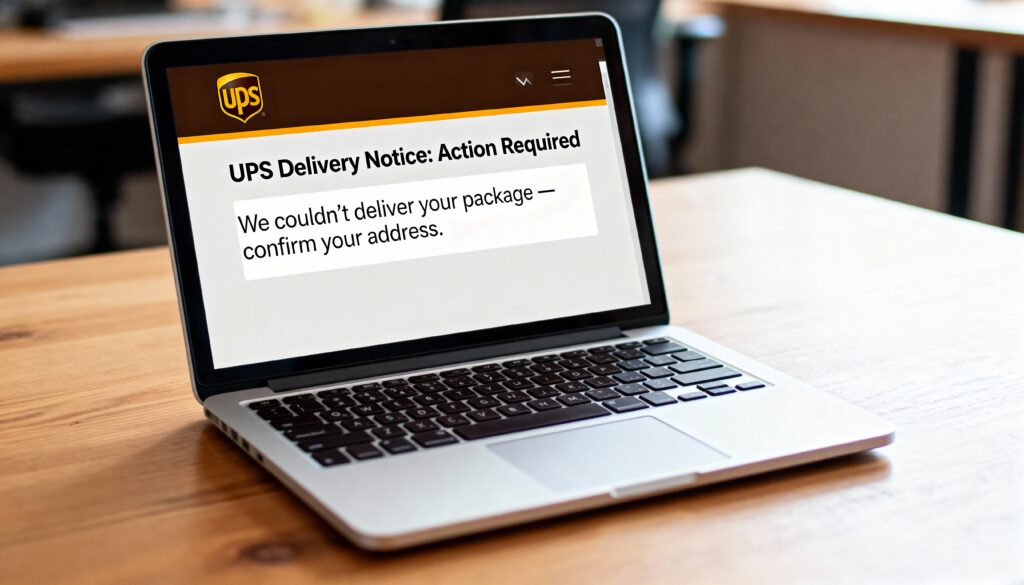
3. Delivery Scams
Examples:
- “Your package is on hold — update your address here.”
- “FedEx/USPS: Delivery failed — reschedule now!”
How it works: Scammers send fake delivery notices to make you click on a malicious link.
Goal: Trick you into giving away personal information or making a fraudulent payment.
Watch out for: Delivery companies never charge to re-deliver a package. Always check tracking numbers on the carrier’s official website.
What to do: If unsure, go directly to the delivery company’s website and track your package manually.
4. Subscription & Service Fraud
Examples:
- “Your Netflix subscription is expiring — update your payment now.”
- “Amazon Prime renewal failed — avoid cancellation by clicking here.”
How it works: Scammers impersonate popular services, saying your account needs renewal.
Goal: Steal your login credentials or credit card details.
Watch out for: Streaming and subscription services never ask for payment updates via text or email.
What to do: Log in through the official website — never use links in messages.
5. Impersonation Scams
Examples:
- “Grandma, it’s me! I’m in trouble — I need money right away.”
- “Hey, I lost my phone and got a new number — can you send me a quick payment?”
How it works: Scammers pose as a family member, friend, or local organization, claiming they need urgent help.
Goal: Get you to send money before you realize it’s a scam.
Watch out for: Any urgent request for money through text, email, or phone — especially if they ask for gift cards or wire transfers.
What to do: Call the person directly using a trusted number — not the one in the message. If they claim to be family, ask a question only they’d know.
6. Government & Legal Threats
Examples:
- “The IRS has found discrepancies in your tax return — immediate payment required!”
- “Your Social Security number has been suspended — call us now.”
How it works: Scammers pose as government agencies, threatening legal action to create panic.
Goal: Pressure you into paying fake fines or revealing personal data.
Watch out for: Government agencies never threaten arrest or demand payments over the phone.
What to do: Hang up and contact the agency directly through their official website or phone number.
7. Medicare & Health Insurance Scams
Examples:
- “Medicare has issued a new card — confirm your Social Security number to receive it.”
- “You qualify for free medical equipment — click here to claim yours.”
How it works: Scammers pretend to be from Medicare or insurance companies, offering benefits or urgent updates.
Goal: Steal personal data, commit insurance fraud, or charge fake fees.
Watch out for: Medicare and insurers never request sensitive information via text, email, or calls.
What to do: If you get a suspicious message, call Medicare or your insurance provider directly.
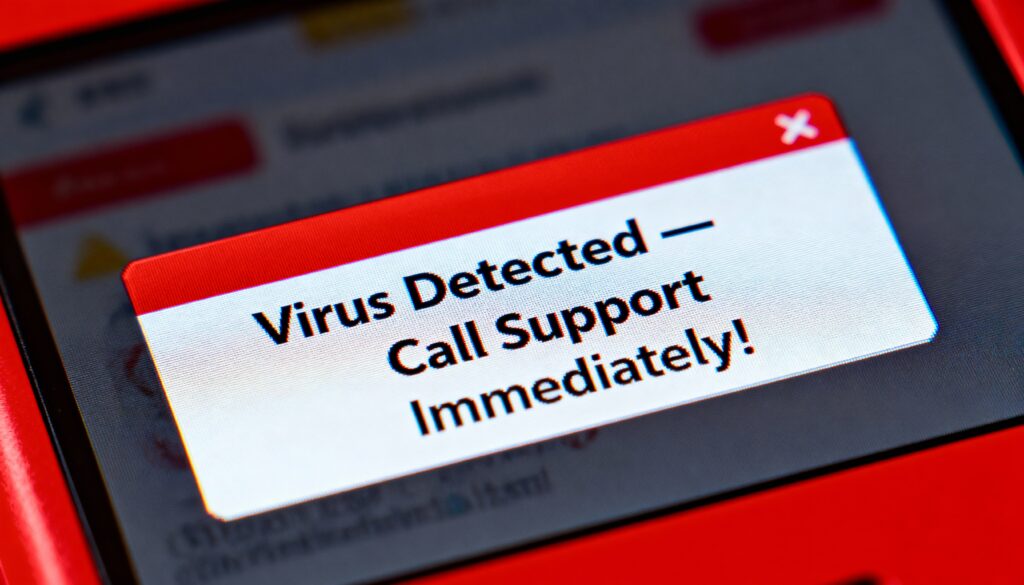
8. Tech Support Scams
Examples:
- “Microsoft: Your computer has been infected — call tech support now.”
- “Apple Security: Your iPhone is compromised — contact support immediately.”
How it works: Scammers claim your device is infected, urging you to call a fake support number.
Goal: Trick you into paying for fake tech support or installing malware.
Watch out for: Tech companies don’t make unsolicited support calls or send pop-ups asking for remote access.
What to do: Ignore pop-ups and calls. If you need tech help, go to the company’s official website.
9. Fake Banking Alerts
Examples:
- “Your bank account has been restricted — click here to restore access.”
- “Unusual withdrawal detected — verify your transaction now!”
How it works: You receive an email or text claiming your bank account is restricted.
Goal: Steal your banking credentials via a fake login page.
Watch out for: Banks never ask for personal details or login credentials via text or email.
What to do: Call your bank directly using the number on the back of your card to verify any account alerts.
10. Home Repair & Utility Scams
Examples:
- “We’re in your area offering free home inspections — sign up today.”
- “Your electricity will be shut off in 24 hours due to unpaid bills — pay now to avoid disconnection.”
How it works: Scammers pose as utility companies, contractors, or home repair specialists, claiming you need urgent services.
Goal: Trick you into paying for fake repairs, handing over personal information, or sending money to avoid disconnection.
Watch out for: Utility companies and home contractors never demand immediate payments over the phone.
What to do: Contact your utility provider or a trusted contractor to confirm if a claim is real.
With Futureproof, you don’t face scams alone — you get easy tools and expert guidance to protect your digital life before threats even happen. Get started now for year-round protection.
Stay One Step Ahead of Scammers
Scammers have one job — and one secret key to your money: catching you off guard. Haste is always a red flag. This is the internet, not a fire — nothing will happen if you step back, take a breath, and check the facts.
If your gut tells you something isn’t right, trust it. Pause. Think. Verify. The more you know, the harder it is for scammers to fool you. And when knowledge meets the right tools, staying safe becomes even easier.

At Futureproof, Kevin makes online safety feel human with clear steps, real examples, and zero fluff. He holds a degree in information technology and studies fraud trends to keep his tips up-to-date.
In his free time, Kevin plays with his cat, enjoys board-game nights, and hunts for New York’s best cinnamon rolls.