A Northern California couple lost nearly $18,000 after thieves used fake checks and online bill pay. Here’s how the bank fraud happened and how you can better protect your money.
Table of Contents
What Happened?
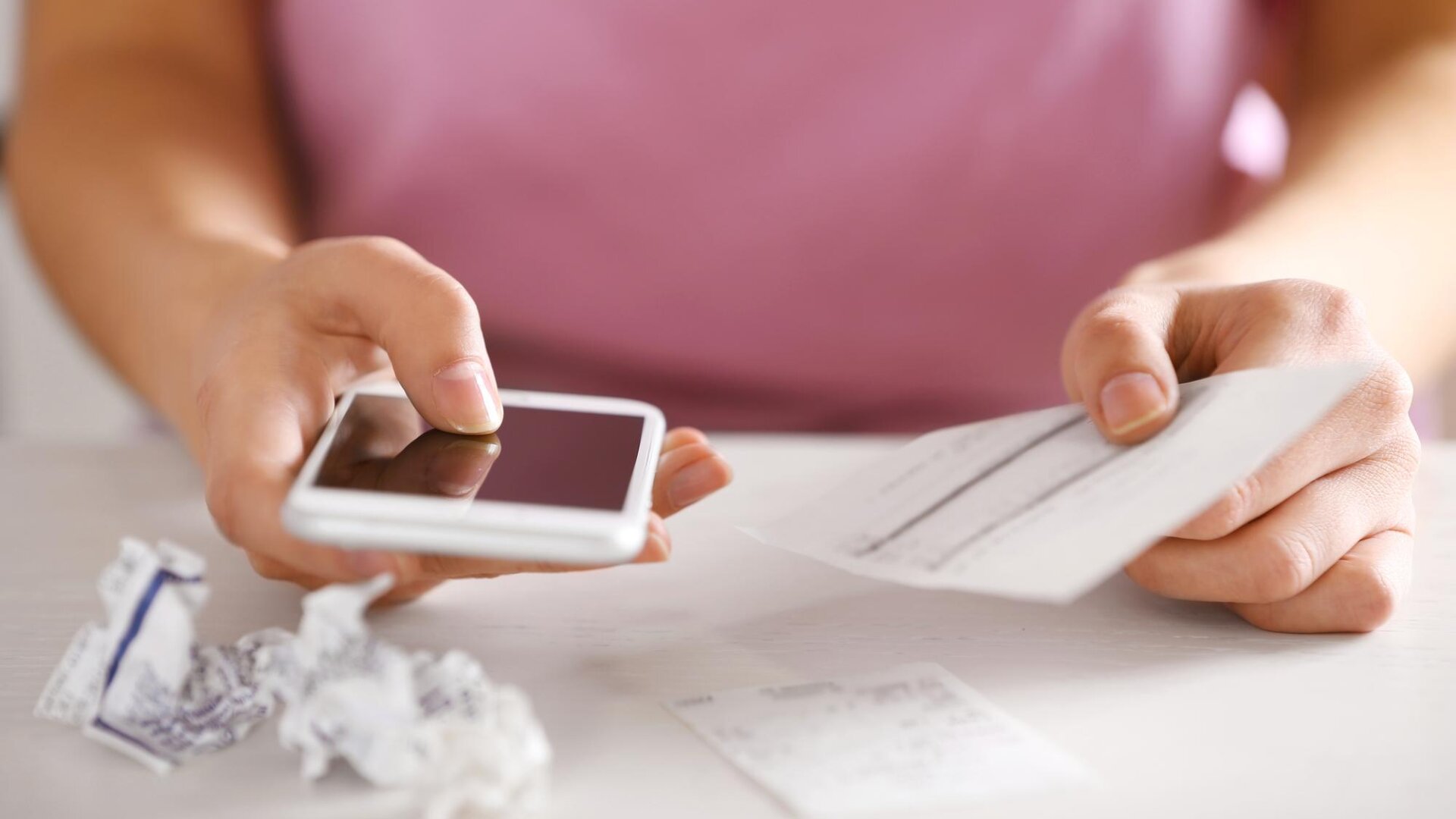
Nona Smith and her 91-year-old husband, Art, noticed the missing money after checking their balance at an ATM. When they reviewed their statement, they found three fake checks and 17 unauthorized online bill payments.
The fake checks totaled $6,450 and were deposited through mobile banking apps and an ATM. The bill payments totaled $11,421. The money was sent to Verizon, Capital One, and Wells Fargo accounts that did not belong to the couple.
Chase quickly refunded the three fake checks. However, the bank initially closed the claim for the bill payments because it said it needed more proof. After ABC7’s 7 On Your Side contacted Chase, the bank reviewed the case and refunded the remaining money.
Who Was Affected and What Banking Data Was Stolen?
ABC7 reported that the case involved one Northern California couple. The report did not say other Chase customers were affected. The fake checks showed the couple’s account number and routing number. A routing number is a bank number that helps move money between banks.
The report did not say that online banking passwords were stolen. Still, account and routing numbers are vulnerable data. Thieves may use them to create fake checks or try to make payments from your checking account.
It is also worth remembering that your data may already have been leaked in another incident. Many people do not know their information was leaked until strange activity appears. If you are not sure whether your information was leaked somewhere online, automatic monitoring can help you spot problems earlier.
Futureproof monitors your data for leaks 24/7 and helps you reduce scam risks with simple, clear steps.
How the Scammers Accessed the Account
Chase Bank did not publicly explain how the scammers accessed the couple’s account. However, the couple had recently ordered new paper checks from a third-party printing service. To complete the order, they mailed a voided check.
They suspect someone intercepted the mail and stole their banking information. Once criminals have your account and routing numbers, they can print fake checks using basic software. In addition, they can enter those details into online payment portals to pay off their own bills.
Futureproof keeps your data safer with simple guidance to set a strong password, turn on 2-step verification, and lock down your account.
Check my safetyHow Check Fraud Can Affect You
Paper checks carry all the information someone needs to steal your money. Every check shows your full name, home address, account number, and routing number.
Today, criminals do not need advanced tools to steal from a checking account. A single paper check can give them enough information to create fake checks or make unauthorized payments online.
The financial impact can be especially serious for older adults, while bank investigations may take weeks and temporarily leave victims without money for everyday expenses.
3 Steps to Protect Your Checking Account
These simple habits can help protect your account from fraud:
1. Monitor your bank account regularly
Look for small charges you do not recognize, not just large ones. Criminals often test stolen account numbers with small purchases before making bigger transactions. If you see an unknown charge, contact your bank immediately.
2. Lock down your main email account
Watch for password reset messages or login alerts you did not request. Your email connects to your online banking and other critical services. If someone accesses your email, they can reset your passwords and control your accounts.
Open your email settings and choose Security. Review recent sign-ins, create a strong password, and turn on two-step verification (a security step requiring a second code when you sign in).
3. Use safer alternatives to mailed checks
Avoid mailing paper checks whenever possible, especially from an unsecured home mailbox. Thieves may steal checks from the mail and use the printed account and routing numbers to commit fraud.
Instead, pay through your bank’s official website or app, use secure electronic transfers, or hand important mail directly to a postal worker or place it inside a post office.
A Paper Check Can Reveal More Than You Think
A check may look old-fashioned, but its printed details can still support modern financial fraud.
Regular alerts, weekly reviews, and careful handling of checks can help you notice problems sooner.
Tools like Futureproof can also help you spot leaked information before criminals use it in convincing messages.
These simple habits can help you feel more in control of your money.

At Futureproof, Kevin explains digital safety in simple words, with clear tips and zero fluff. He holds a degree in information technology and studies fraud trends to keep his tips up-to-date.
In his free time, Kevin plays with his cat, enjoys board-game nights, and hunts for New York’s best cinnamon rolls.