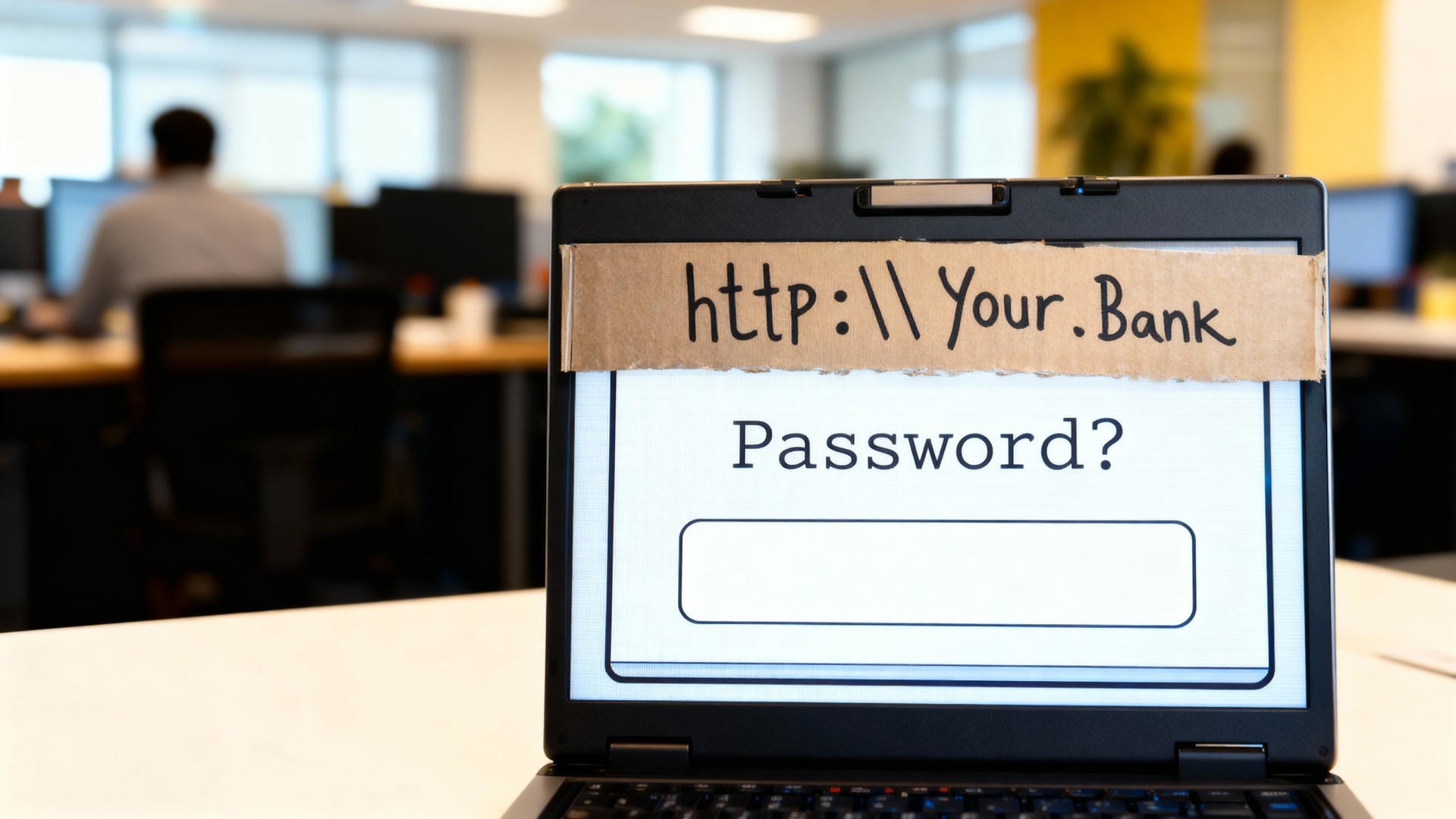
Did you know the biggest danger online isn’t your computer — it’s the sudden alert conversation? The thing is, scammers aren’t always computer geniuses. They don’t need complex tools to trick people. What they do best is play with your emotions. They use kindness, fear, urgency, or even guilt to make you trust them. They make you feel like they care — and that’s how they get your personal information.
This trick is called social engineering — and it’s one of the most serious types of scams. So let’s find out how it works and how you can protect yourself.
Table of Contents
How Do Social Engineering Scams Work?
Social engineering sounds very technical, but it’s really just this:
Someone uses information about you + your feelings to make you do something you normally wouldn’t do.
It’s not about computers. It’s about how well they can read people.
Most social engineering scams follow the same path. Once you learn the steps, it becomes much easier to spot them.
Let’s break them down:
1. They Quietly Gather Information About You
Scammers look for information that’s easy to find, like:
- Your full name
- The city or neighborhood where you live
- Names of your children or grandchildren
- Where you bank
- What hobbies you have
- Which charities or churches you support
Where do they get this?
- Social media: Facebook posts, comments, photos, birthday wishes
- Old data leaks: your email, phone number, maybe part of your address
- Public spaces: overhearing conversations in cafés, waiting rooms, or on public transport
- Casual questions: “Are you retired?”, “Do you live alone?”, “Do you use online banking?”
All these pieces sound harmless on their own. But together, they give scammers a picture of your life — enough to pretend they know you or work with a company you trust.
2. They Reach Out and Pretend To Be Someone Safe
Once they feel they “know” you, they make contact.
At this point, they might:
- Call you on the phone
- Send a text message
- Email you
- Message you on Facebook or another app
And they rarely introduce themselves as “a stranger.” They usually pretend to be your family, a bank or credit card employee, a government worker (IRS, Social Security, Medicare), a delivery service or a charity/church representative.
Their first goal is simple: Make you feel safe enough to keep talking or replying.
3. They Play With Your Feelings
Once you’re talking, the real game starts. Scammers don’t begin with “Give me money.” They begin with feelings.
They often use:
- Fear:
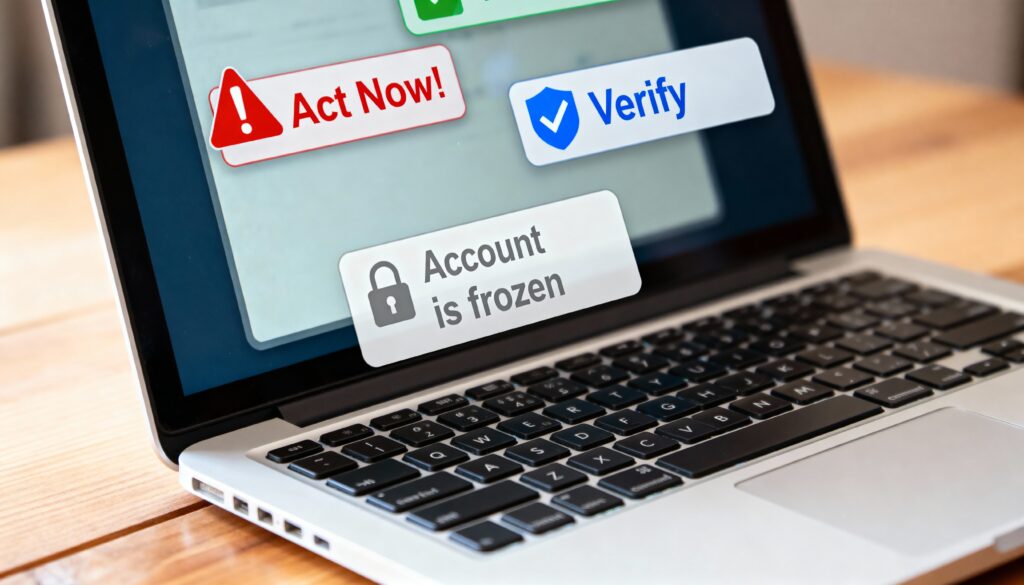
– “Your bank account is frozen.”
– “We see suspicious activity on your card.”
– “There is a warrant out for your arrest.” - Urgency:
– “You must act in the next 10 minutes.”
– “If you hang up, your account will be closed.”
– “Don’t call anyone else, we’re fixing it right now.” - Love and care:
– “Mom, it’s me, I’m in trouble. Please don’t tell anyone.”
– “Grandma, I had an accident; I need money for a lawyer.” - Greed or reward:
– “You’ve won a prize / refund / lottery.”
– “You’re owed a payment and we just need to confirm your details.”
Why does this work?
Because when we’re scared, rushed, or worried about family, our brain focuses on the feeling, not the details. We stop asking questions. We want to fix the problem or help our loved one as fast as possible.
That’s exactly what scammers want.
4. They Ask You to Do Something
Once your emotions are high, they move to the real ask. They might ask you to:
- Share personal details, like Social Security number, full date of birth, or online banking username or password
- Send money through bank transfer or wire, gift cards (Amazon, Google Play, etc.) or payment apps (Zelle, PayPal, Cash App, Venmo).
- Give access, saying things like, “Install this program so I can fix your computer”, “Read me the code you just received by text” or “Click this link and sign in to confirm it’s really you.”
Sometimes they even tell you to not hang up and not tell your bank or family about this yet. Remember: any time someone asks you to keep a secret or act in a rush, that’s a huge red flag.
- They Disappear — But Your Information Stays
Once they get what they wanted, they usually disappear:
- The phone number stops working
- The email address goes quiet
- The “support agent” never calls back
But the damage is not over. With your information, they can:
- Take money from your bank or card
- Open new credit cards or loans in your name
- Change passwords and lock you out of your own accounts
- Sell your details to other scammers, so the calls and emails keep coming
This is why even “small” slips — like sharing one code or one number — can lead to long-term trouble if you don’t act quickly.
Real Scams. Real Losses. Here’s How It Happens
When we talk about scams, it can feel abstract — until you see how their tricks play out in real life. Here are a few common examples:
The Fake Tech Support Scam
You get a call from someone who says they’re from “Microsoft” or “Amazon.” They tell you your computer has a virus and they’ll help you fix it. They ask you to download a program so they can “clean your system.”
That’s how they take control of your computer, steal your banking information, and drain your account.
The Medicare “Update” Scam
A friendly voice says they’re calling from Medicare. They tell you there’s been a problem with your benefits and they just need to “verify” your Medicare number and date of birth.
You give it to them because they sound so polite.
Later, you find out someone has used your information to file false claims and steal your benefits.
The Parent Emergency Scam
A voice calls, crying, saying, “Mom, it’s me! I’m in trouble — please don’t tell Mom and Dad. I need money fast.”
Your heart races. You want to help.
But it’s not really your child — it’s a scammer playing on your love and trust.
Why Even Smart, Careful People Fall for This
The thing is, social engineering scams don’t really look like scams. They sound like someone you know. They use kindness, urgency, and fear to trick you. It’s not about being “bad at technology.” It’s about being human — and that’s what scammers count on.

How to Stay Safe: 3 Simple Steps
Social engineering scams are strong because they play with your feelings. Your best defense is to slow things down.
1. Notice how you feel
If someone rushes you (“right now,” “within 10 minutes,” “don’t hang up”), makes you feel scared, guilty, or ashamed, or suddenly asks for personal info or money — do this:
STOP. Put the phone down for a moment.
THINK. “Would a real bank / real grandchild really talk to me like this?”
CALL someone you trust. A child, friend, or neighbor. Explain what happened.
Talking it out with another person often makes the scam very clear.
2. Use a family “safe word”
You can agree on a simple secret word or phrase that only your close family knows. For example: “backyard” or any phrase you’ll remember.
- Don’t post or write this word online.
- Only share it with the people you really trust (children, grandchildren, spouse).
If someone calls saying they’re your kid and they’re in trouble, you can calmly say:
- “If it’s really you, tell me our safe word.”
If they don’t know it or avoid answering, hang up and call your real grandchild on the usual number you have saved.
3. Protect your personal information
As a simple rule:
- Never give your Social Security number, full date of birth, PIN, online banking password, or codes sent by text to anyone who calls you out of the blue.
- If the caller says they’re from your bank or a company you use, hang up and call back using the phone number on the back of your card or on the company’s official website — not the number they gave you.
Remember: It’s always better to say no and check than to say yes and regret it later.
With Futureproof, you can turn confusion into confidence. We scan your info 24/7 for data leaks and give practical advice to help you stay safer online. Try it now and get year-round protection.
The Bottom Line: You’re Allowed To Put Yourself First
Social engineering isn’t a test of how good you are with technology — it’s a test of how fast someone can push your feelings. You win the moment you give yourself permission to slow things down: hang up, breathe, and check for yourself in your own time.
That tiny pause is often all it takes to protect your money, your name, and your peace of mind. Treat this pause as your secret weapon — and don’t let scammers disarm you.

At Futureproof, Kevin makes online safety feel human with clear steps, real examples, and zero fluff. He holds a degree in information technology and studies fraud trends to keep his tips up-to-date.
In his free time, Kevin plays with his cat, enjoys board-game nights, and hunts for New York’s best cinnamon rolls.