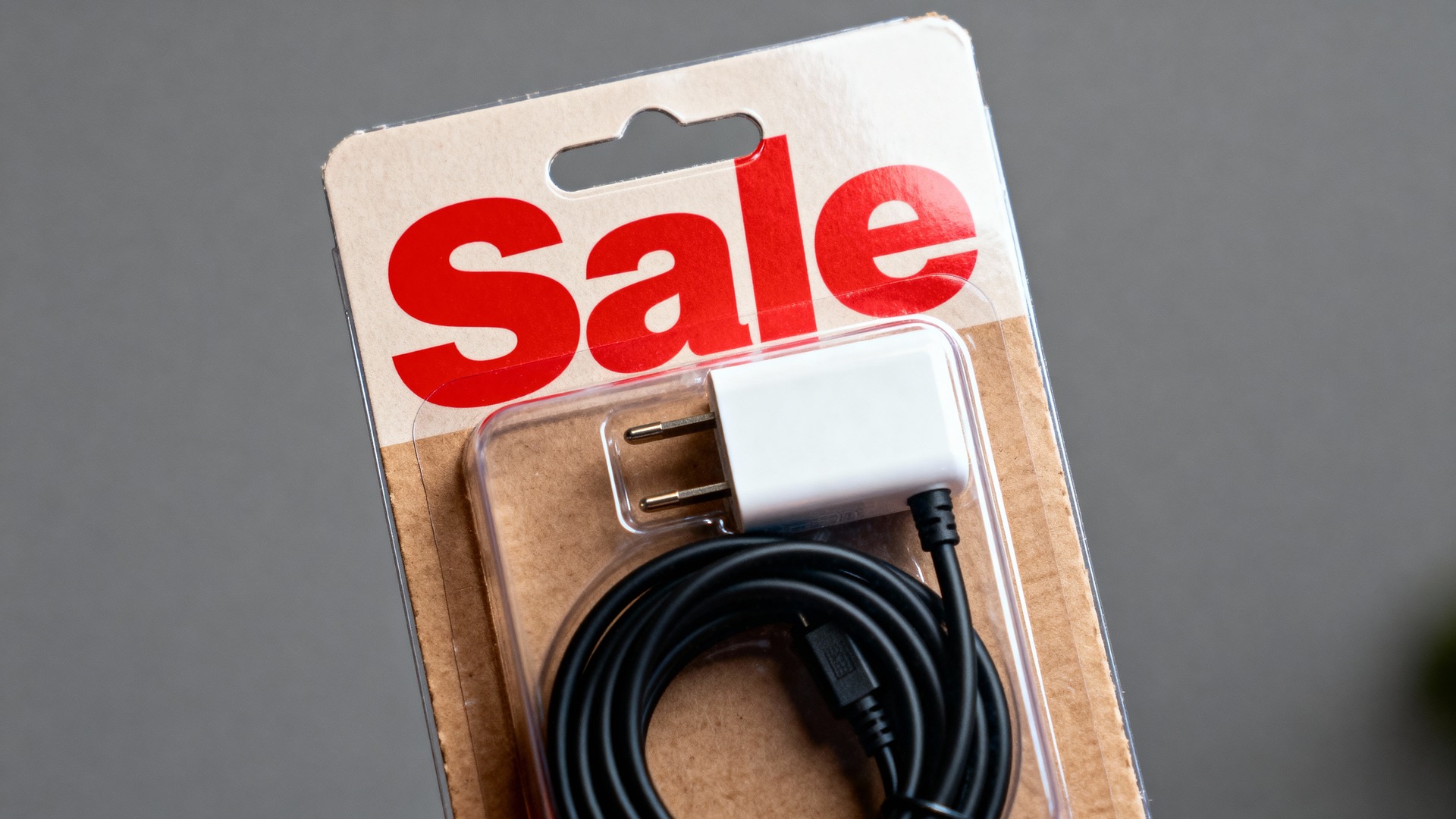
We’ve all seen them — the $5 charger at the gas station, the “fast charge” cube from an online seller with a name you’ve never heard of, or the free cable slipped into a giveaway bag at an event. They all make the same promise: works just like the original. Some even claim to be faster, stronger, smarter.
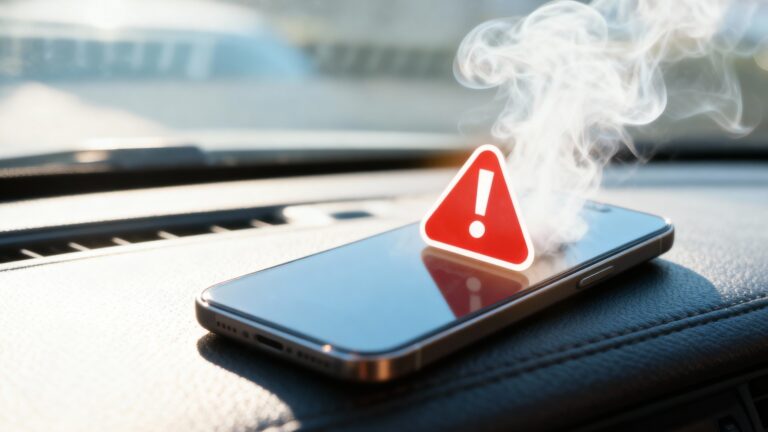
But a silent threat is hidden inside that bargain price tag. The wrong charger can quietly damage your battery, strain your phone’s internal components, or — in the worst cases — start a fire.
In this article, you’ll see why cheap or random chargers are risky, what real-world incidents show about their dangers, and the habits that can keep your devices safe for years.
Table of Contents
Why Cheap or Random Chargers Are Dangerous
Every modern phone has a charging system tuned to work with very specific voltage and current levels. Certified chargers — either from your phone’s manufacturer or approved third-party brands — are built to deliver that exact kind of power. They’re tested to meet strict safety standards, and they have built-in protection systems that shut everything down if something goes wrong.
Many off-brand or counterfeit chargers skip those safeguards entirely. Common problems include:
- Voltage spikes — Cheap internal circuits can let sudden surges through, putting stress on your battery and risking overheating.
- Inconsistent current — Power fluctuations cause tiny “micro-shocks” to sensitive components, slowly wearing them out.
- Poor heat management — Cheap designs don’t dissipate heat well, so both the charger and your phone get hotter than they should.
- No safety cutoffs — In a fault, a good charger stops. A bad one keeps pushing power until something burns out.
These flaws don’t just shorten battery life — they can cause permanent damage to your phone’s board or, in rare but real cases, ignite.
Real Incidents: When a Charger Becomes the Culprit
In the U.S., the Consumer Product Safety Commission (CPSC) has issued dozens of recalls for unsafe chargers in just the last few years. The problem isn’t isolated — it’s widespread.
- In Wisconsin, a family was forced to evacuate after a counterfeit “fast charger” caught fire on their nightstand in the middle of the night.
- In Texas, a tablet plugged into an uncertified adapter began smoking while charging, scorching a desk and filling the room with a burning smell.
- In Florida, a faulty phone charger overheated, melted its casing, and damaged both the wall outlet and nearby carpet.
These aren’t urban legends. They’re real-life cases that are preventable if you avoid the wrong chargers.
How to Stay Safe Without Giving Up Convenience
Here’s the good news: you don’t need the most expensive charger on the market to stay safe. You just need to choose one that’s designed — and certified — for your device.
Think of your charger as the fuel pump for your phone. Bad fuel ruins engines; bad power ruins phones. That means paying attention not just to what you buy, but how and where you use it.
Smart Charging Habits That Make a Difference
Instead of a generic bullet list, here’s how these habits work in real life:
- Buy from trusted sources — Stick to your phone’s brand or a certified third-party. Online marketplaces can be full of lookalike chargers with fake labels.
- Learn to spot fake safety marks — UL, FCC, or ETL logos matter, but counterfeits exist. Compare with a genuine product before trusting the logo.
- Charge in safe locations — Hard, flat surfaces are safest. Beds, couches, and piles of clothes can trap heat.
- Give your phone breathing room — Avoid charging with thick, closed cases in hot rooms — heat builds fast.
- Inspect your cables — If they’re frayed, bent, or discolored, replace them. Damaged cables are as dangerous as bad chargers.
- Be aware of temperature — Charging in hot cars, under direct sunlight, or in freezing conditions strains both charger and battery.
Quick Charger Safety Checklist
Do:
- Use certified chargers and cables.
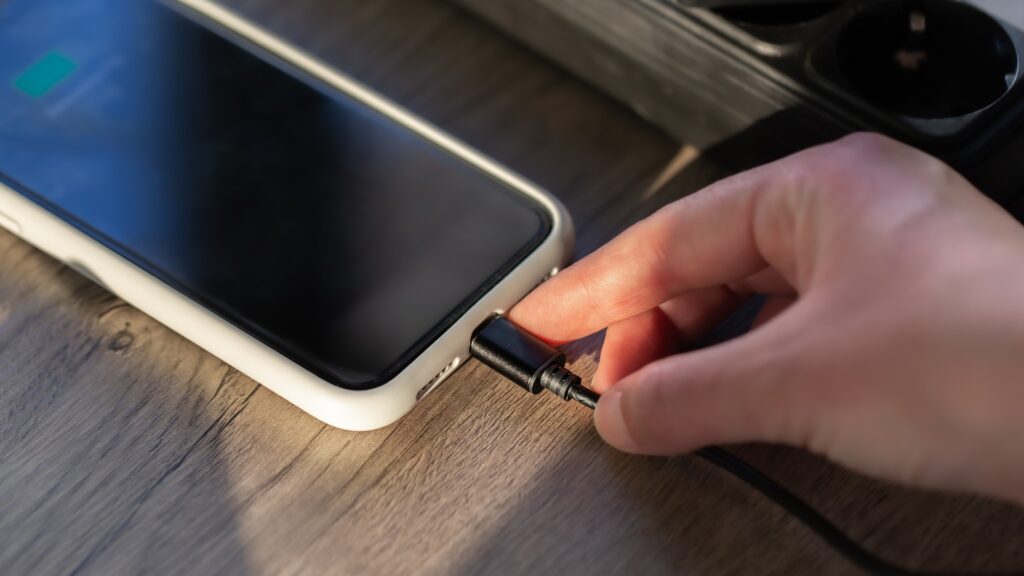
- Make sure plugs fit securely with no sparks or buzzing.
- Keep chargers in a cool, dry place.
- Unplug when not in use for extended periods.
Don’t:
- Buy ultra-cheap chargers from unknown sellers.
- Use damaged or repaired cables.
- Leave devices charging overnight on soft surfaces.
- Assume “fast” means “safe” — verify certification.
The Golden Rule: If the charger is not certified and not from a trusted source, don’t use it. That $10 “deal” can turn into a $1,000 loss — or worse.
The Takeaway: Safe Charging, Long Phone Life — and Your Personal Safety
A charger isn’t just a simple accessory — it’s the direct power link into your phone’s most sensitive components. A bad one can silently shorten your battery’s life, damage internal systems, or even cause a fire.
For the cost of a good lunch, you can get a safe, certified charger that keeps your phone healthy for years — and protects you from risks you never see coming. In the end, it’s not just about protecting a device — it’s about protecting your data, your investment, and your peace of mind.

At Futureproof, Kevin makes online safety feel human with clear steps, real examples, and zero fluff. He holds a degree in information technology and studies fraud trends to keep his tips up-to-date.
In his free time, Kevin plays with his cat, enjoys board-game nights, and hunts for New York’s best cinnamon rolls.