A friendly photo link, a quick code, and suddenly strangers are reading your WhatsApp messages without you knowing. Here’s how the new scam works and how to stop it quickly.
Table of Contents
What Is GhostPairing — and Why This WhatsApp Scam Feels So Normal
GhostPairing is a scam where attackers trick you into linking an unknown device to your WhatsApp account, giving them access to your messages, photos, and media without you realizing it.
Imagine someone ringing your doorbell wearing a familiar uniform. Same logo. Same smile. You open the door because it looks right.
That’s what GhostPairing looks like.
We’ve been taught that strong passwords and encryption keep us safe. And usually, they do. But scammers have learned a new trick: instead of breaking the lock, they politely ask you to hand them the spare key — then step aside while you do it.
How the GhostPairing Scam Actually Works
This attack targets WhatsApp’s real “linked devices” feature — the tool meant to let you use WhatsApp on a computer or tablet. Attackers don’t hack anything. They convince you to approve access.
Here’s how it works:
- A familiar message shows up
It looks like it comes from someone you know. It says something simple like, “Is this you in this photo?”
- You click the link
The page looks like Facebook — familiar and trustworthy — but it’s fake.
- The page asks for your phone number
Instead of logging you into Facebook, the page starts WhatsApp’s real device-pairing process.
- A pairing code appears
The site tells you to enter the code inside WhatsApp.
- WhatsApp shows a warning
The app says it’s adding a new device. Because the wording feels technical and routine, many people skim past it or misunderstand what it means.
- You approve access
When you enter the code, you link the attacker’s browser to your account.
After that, attackers read messages, download photos, send messages as you, and spread the same scam to your contacts.
It feels routine. That’s why it works.
Key point: No one steals your password. No one breaks encryption. You approve access without realizing the risk.
Why GhostPairing Is Hard to Notice — and So Dangerous
What makes GhostPairing especially sneaky is that it looks legitimate from start to finish.
Security researchers — and companies like Gen Digital — warn that many victims never realize an extra device was added. The scam runs quietly in the background, like a TV left on in another room.
The only real clue? A device you don’t recognize sitting in WhatsApp’s Linked Devices list.
And most people never think to check there.
Where to Look If Someone Else Can Read Your WhatsApp — and How to Stop It
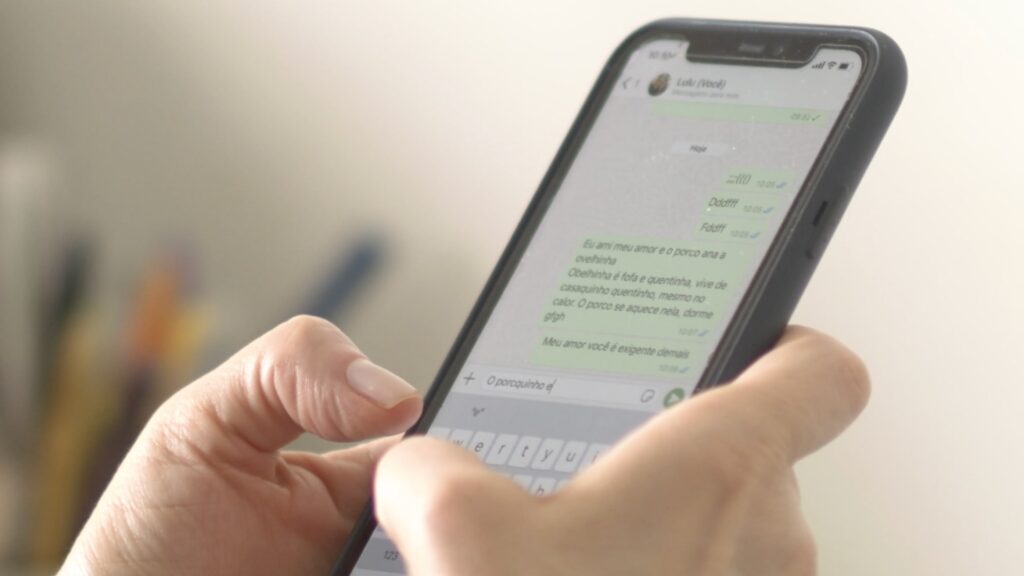
If you use WhatsApp, open the app and look at Settings → Linked Devices.
This list shows every computer or browser that can read your messages — even when your phone isn’t in your hand.
If you see a computer, browser, or device you don’t recognize, remove it. That action cuts off access immediately.
Why this matters:
When scammers use GhostPairing, they don’t “break in” once and leave. They stay connected. As long as their device remains linked, they can quietly read messages, download photos, and send messages as you.
Think of it like checking who else has a key to your house. If someone copied a key months ago, they can still walk in today. Removing unknown devices is how you change the locks.
It’s a quick check — but it can stop a long-running scam.
Futureproof keeps an eye on your data 24/7, spots leaks early, and helps you fix issues before they cause real damage. Start protecting your information year-round with confidence.
GhostPairing Works Because It Feels Normal, Not Because You Did Anything Wrong
This scam doesn’t work because people are careless. It works because it feels normal.
A friendly message from someone you know. A line like, “Is this you in this photo?” A quick link. Nothing raises alarms — until it’s too late.
That’s why pausing matters. Pay attention when WhatsApp shows a warning about adding a new device. Those messages are easy to skim, but they’re your cue to stop and check.
Also, get familiar with Settings → Linked Devices. That’s where WhatsApp lists every computer or browser connected to your account. If you see one you don’t recognize, remove it. Think of it as changing the locks.
The goal isn’t fear — it’s awareness. Slow moments beat fast mistakes.

At Futureproof, Kevin makes online safety feel human with clear steps, real examples, and zero fluff. He holds a degree in information technology and studies fraud trends to keep his tips up-to-date.
In his free time, Kevin plays with his cat, enjoys board-game nights, and hunts for New York’s best cinnamon rolls.