A growing wave of FIFA World Cup 2026 scams is targeting fans through fake ticket websites and malicious streaming apps. Here’s what happened and how you can protect your money.
Table of Contents
What Happened?
Researchers found fake FIFA ticket websites, fake online stores, fraudulent betting platforms, and malicious streaming apps that can install malware (harmful software that steals information or damages devices).
One of the largest operations tracked by researchers used hundreds of fake FIFA websites that closely copied FIFA’s official login pages to steal user credentials and take over accounts.
Who Criminals Are Trying to Target and What They Are After
The campaign primarily targets FIFA World Cup fans seeking tickets, merchandise, live streams, or travel information related to the tournament.
Researchers said criminals are trying to steal:
- FIFA account usernames and passwords
- Payment card information
- Banking details
- Cryptocurrency account information
- Passport scans
- Selfies used for identity verification
- One-time login codes
- Personal information used for identity theft
Researchers also found stolen FIFA-related login credentials circulating in criminal marketplaces online.
Information like login credentials, payment details, and identity documents can be valuable for scammers long after an incident occurs.
Criminals often use this information in phishing emails, fake phone calls, account takeover attempts, and identity theft schemes.
It is also important to remember that your information may have been accessed in other data breaches or data leaks without you knowing it.
Regularly checking for data leaks can help you spot potential risks before criminals take advantage of them.
If you don’t know whether your data was leaked, automatic monitoring can help you spot problems earlier.
Futureproof monitors your data for leaks 24/7 and helps you reduce scam risks with simple, clear steps.
How Are Criminals Running These Attacks?
Criminals are targeting World Cup fans in several ways.
Here are five common methods:
- Fake FIFA Ticket Websites
Thousands of websites were designed to look like official FIFA ticket pages. Some copied FIFA’s logo, design, login screens, and even images from FIFA’s own website.
Visitors were asked to enter their FIFA usernames and passwords to access tickets or log in to their accounts. Criminals could then take control of the accounts, change passwords, and potentially steal or resell tickets linked to them.
- Phishing Ads on Social Media
Many fake ticket websites were promoted through Facebook ads, search engine results, Telegram channels, and WhatsApp messages.
The ads often promised hard-to-find tickets, special discounts, or limited-time offers. They directed fans to fake websites that asked for personal or payment information. Criminals then used the information to steal money or access accounts.
If you use Facebook, learn how to spot common warning signs in our guide on how to spot fake ads on Facebook.
- Malware Hidden in Streaming Apps
Security companies also identified unofficial streaming apps that claimed to stream World Cup matches for free. Some secretly contained Android banking trojans.
After installation, the malware could monitor what users typed, steal banking passwords, capture one-time security codes, and display fake login screens that looked like legitimate banking apps.
Futureproof scans your data for leaks and shows exactly how to close security gaps — before scammers find them first.
Check my safety- Fake Merchandise and Betting Websites
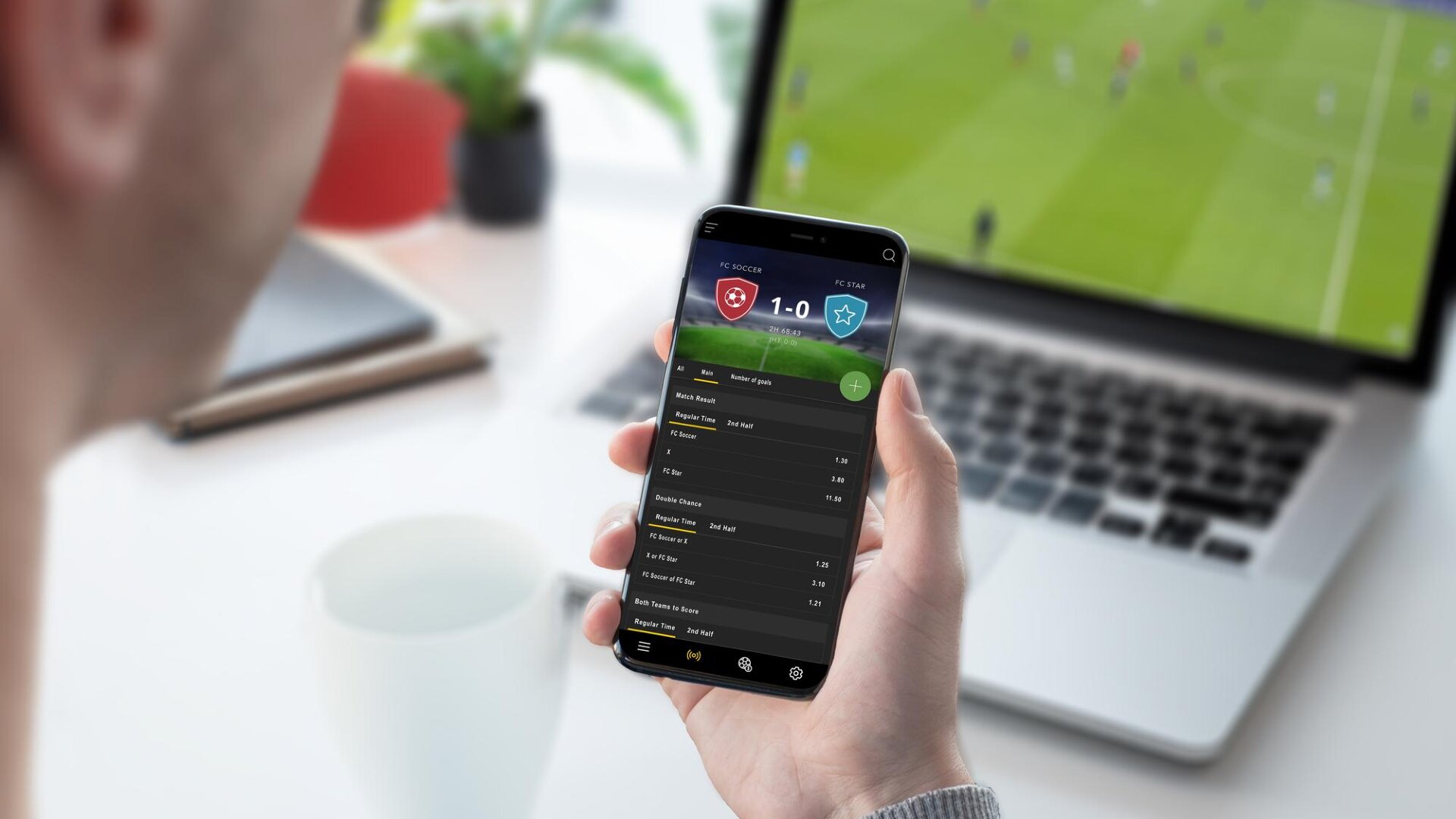
Investigators also uncovered fake World Cup merchandise stores and betting websites.
Some of these sites collected payment information, while others asked users to upload passport scans, selfies, or identity documents that could later be used in identity theft attempts.
- Fake FIFA Emails and Lottery Messages
Authorities and security researchers also identified emails claiming that recipients had won FIFA prizes worth up to $2 million.
The messages encouraged people to click links, share personal information, or pay fees to claim winnings.
What You Can Learn From These World Cup Scams
Major sporting events create perfect conditions for fraud.
Tickets are limited, emotions run high, and many people are looking for deals, streams, or last-minute access. Criminals know this and build fake websites that appear trustworthy.
Large events like the World Cup attract millions of fans online. That gives criminals more opportunities to target people with fake websites, phishing messages, and fraudulent offers.
3 Simple Ways to Avoid FIFA World Cup Fraud
These simple habits can help protect your money and personal information:
1. Buy tickets only through FIFA’s official website
Fake ticket websites often look nearly identical to legitimate ones. Criminals rely on people clicking quickly without checking the address.
Type the website address yourself instead of clicking ads, social media posts, or messages. If a seller asks for payment outside official channels or requests cryptocurrency, stop and verify the offer first.
2. Add extra protection to your email account
Criminals are using fake FIFA login pages to steal account credentials and access World Cup tickets. Protect the accounts you use for buying tickets, especially your email account.
Your email connects to many of your online accounts. If someone gains access to it, they may be able to reset passwords and take over other accounts.
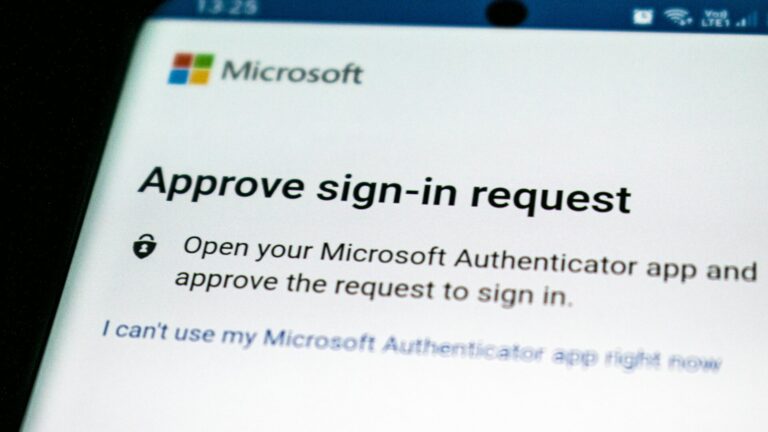
Use a strong password and turn on two-step verification (an extra security step that requires a second code). If you are not sure how to strengthen your account security, the Futureproof Email Protection tool can help.
Email Protection helps you create strong passwords and set up two-step verification to secure your account faster.
3. Avoid logging into important accounts on public Wi-Fi
Researchers found many open Wi-Fi networks in World Cup host cities. Criminals can create fake hotspots that look like legitimate networks.
If possible, use your mobile data connection when accessing banking, email, or shopping accounts. If you must use public Wi-Fi, avoid entering passwords or financial information.
A Little Caution Can Help Protect Your World Cup Tickets and Money
Criminals know fans are searching for tickets and streams, so they create convincing websites that look legitimate.
Buy tickets only through FIFA’s official website, protect your email account with two-step verification, and avoid logging into important accounts on public Wi-Fi networks.
A few extra minutes spent verifying a website or securing your account can help protect your money, personal information, and online accounts.

At Futureproof, Kevin explains digital safety in simple words, with clear tips and zero fluff. He holds a degree in information technology and studies fraud trends to keep his tips up-to-date.
In his free time, Kevin plays with his cat, enjoys board-game nights, and hunts for New York’s best cinnamon rolls.