
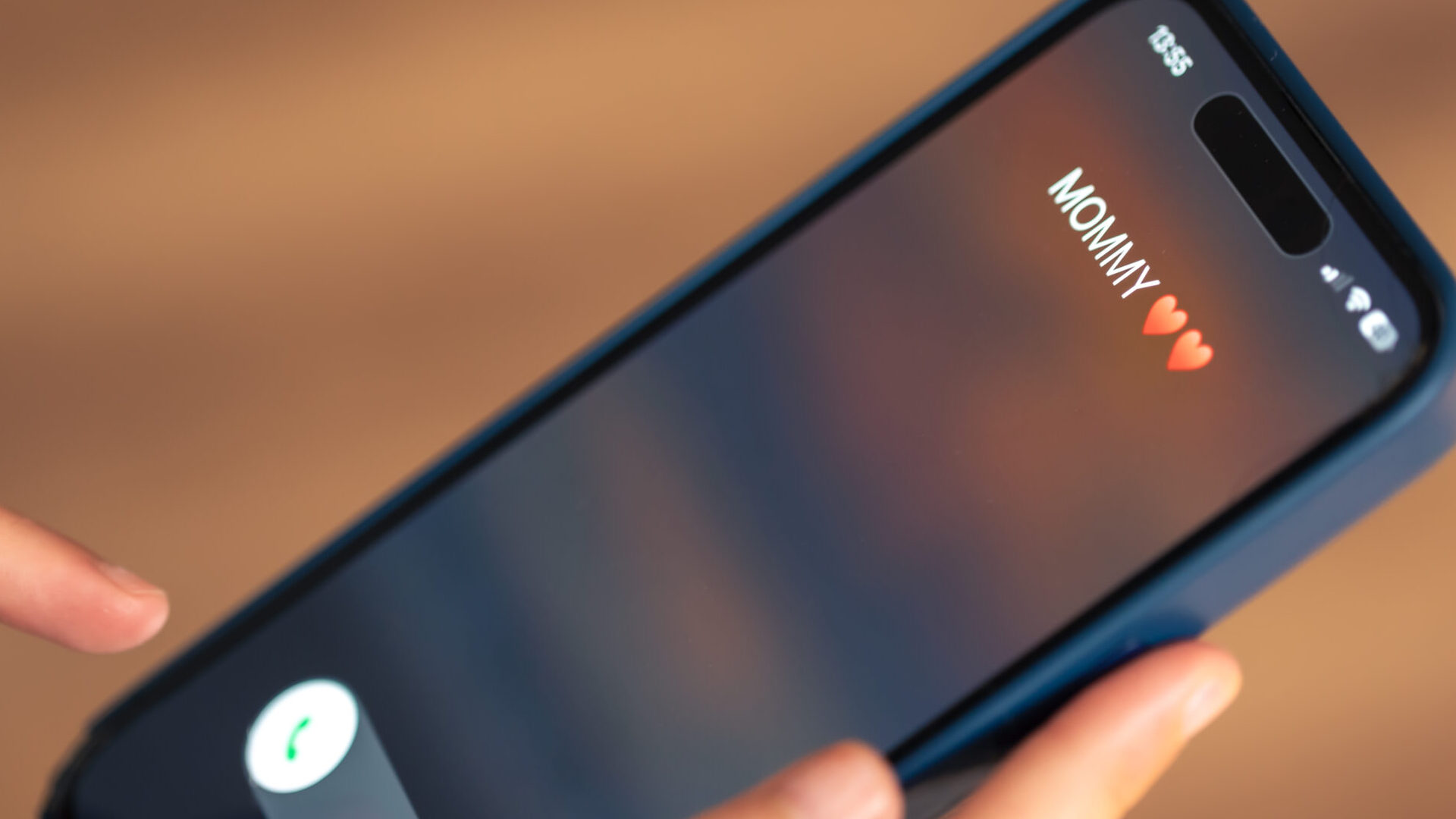
One ring. One familiar name. And behind it, a carefully crafted lie waiting for you to say “hello.” Here’s why Caller ID doesn’t work anymore, and how to stay safe.
Table of Contents
Caller ID Isn’t What It Used to Be
For most of its history, a ringing phone was like a knock on your front door. You didn’t hesitate to open it, because knocks came from people you trusted — family, neighbors, doctors, or emergency services. The phone was built on assumption and belief: if it rang, someone real was on the other end.
But today, that knock can be faked. Caller ID can be forged as easily as a return address on a letter, and the voice on the line may be nothing more than a carefully crafted illusion. Scam calls didn’t just appear — they evolved alongside the phone itself, exploiting technology designed for connection and trust.
In this article, you’ll learn how scam calls emerged, what caller ID spoofing is, why it’s dangerous, and — most importantly — how to protect yourself when a fake number appears on your screen.
The Moment Scam Calls Took Over: When Caller ID Started Lying
It all started when the world became connected. When the telephone was invented in 1876, it was built on trust. A ringing phone meant a real person on the other end — family, a doctor, a business, or emergency services. That direct access felt personal and reliable. But from the beginning, it also created a vulnerability: a personal number opened a direct line to another human being.
As telephone networks expanded throughout the late 19th and early 20th centuries, calls became an integral part of everyday life. During World War II, long-distance calls surged as soldiers waited to hear the voices of loved ones from home. After the war, businesses embraced the phone to take orders, book travel, and close deals. The phone had shifted from a purely personal tool to a commercial one.
Scam calls didn’t appear overnight. The first major wave arrived in the 1980s with “dinner-hour marketing,” when telemarketers called households in the evening, knowing families were home and near their landlines. With little or no caller ID, people often answered out of curiosity or politeness.
Technology then scaled the problem. Autodialers and prerecorded messages led to robocalls, making it cheap and easy to reach millions at once. What began as a nuisance quickly proved profitable — and scammers took notice.
As mobile phones replaced landlines and caller ID became widespread, people learned to ignore unfamiliar numbers. Scammers adapted by spoofing local, familiar, or trusted-looking numbers, making scam calls appear personal or legitimate.
Key takeaway: Scam calls are the result of systems built for trust, technology that scaled communication instantly, and attackers who learned how to exploit both. Caller ID was never designed to verify identity — only to display a number. That flaw is exactly what scammers still rely on today.
What Is Caller ID Spoofing?
Caller ID spoofing is a tactic in which a caller deliberately disguises the phone number — and sometimes the name — that appears on your Caller ID display. Using software or Voice over Internet Protocol (VoIP) services, threat actors can falsify this information so a call appears to come from a local, familiar, or trusted source.
Under normal circumstances, Caller ID shows the phone number and name associated with the line making the call. Caller ID spoofing occurs when that information is intentionally altered during the call setup, causing the recipient to see a number different from the actual one being used.
The FBI has warned that attackers are increasingly spoofing trusted caller IDs, including those associated with medical providers, and recommends ending the call immediately if any aspect seems suspicious — even when the number appears legitimate.
Who Uses Caller ID Spoofing
Caller ID spoofing is used by different groups, including:
- Scammers and fraud organizations: Spoof trusted numbers (banks, government agencies, well-known businesses) to trick people into answering and believing false claims.
- Identity thieves: Use spoofed calls to collect personal data like SSNs, account details, or verification codes.
- Robocall operations: Rotate spoofed numbers to bypass call-blocking and make mass calls appear local or familiar.
- Social-engineering attackers: Combine spoofed calls with email or SMS scams to reinforce credibility.
- Limited legitimate use: Some businesses may legally display a main office number instead of individual lines, but without deception, pressure, or requests for sensitive information.
Overall, scammers rely on caller ID spoofing more than any other group.
How Caller ID Spoofing Works
Here are the steps behind how Caller ID spoofing works and how scammers make a fake number appear real on your screen:
- Call setup begins: When a call is placed, two things are sent — signaling data (which includes the caller ID) and the voice stream (the actual conversation).
- Spoofing happens during signaling: Scammers exploit the signaling phase to alter the caller ID information before the call reaches you.
- Fake number displayed: Your phone shows a trusted-looking number — such as a bank, government agency, local business, or even your own number.
- Impersonation: The scammer pretends to be a legitimate authority or service to build trust.
- Urgent pressure: They create fear or urgency (e.g., account issues, legal trouble).
The goal: To trick you into sending money (gift cards, wire transfers, Zelle) or sharing sensitive information (passwords, SSN, verification codes).

Why Caller ID Spoofing is Dangerous for You and Your Family
Caller ID spoofing is dangerous because it enables deception at scale. By impersonating trusted numbers or institutions, scammers exploit trust to commit fraud and steal information.
Here’s exactly how caller ID spoofing puts your privacy and security at risk:
• Enables fraud: Scammers pose as trusted entities to convince victims to answer calls and believe false claims.
• Leads to identity theft: Victims are pressured to share sensitive data like Social Security numbers, account details, or passwords.
• Causes financial losses: Victims may be tricked into sending money via gift cards, wire transfers, or other hard-to-recover methods.
• Erodes trust: Any name or number — banks, local businesses, even government agencies — can be faked, making caller ID unreliable.
• Harms legitimate parties: Businesses and individuals whose numbers are spoofed may face reputational damage, loss of trust, and confusion from misled recipients.
How to Stay Safe When Caller ID Doesn’t Work Anymore — 7 Easy Steps
• The FTC recommends never sharing personal or financial information on unexpected calls. Banks and government agencies don’t ask for passwords, SSNs, or codes by phone.
• Don’t answer or engage with unknown numbers. If you do answer and it feels suspicious, hang up immediately — don’t press buttons or respond.
• Be alert to pressure or threats. Urgent demands, fines, or arrest warnings are common scam tactics.
• Never send money in response to a call — especially gift cards, crypto, wire transfers, or payment apps.
• Verify independently. Hang up and contact the organization using an official number from their website or statement.
• Use call-blocking tools from your carrier or trusted apps, and secure your voicemail with a password.
• Act fast if something seems wrong. Contact your bank and block the caller immediately.
Futureproof keeps an eye on your data 24/7, spots leaks early, and helps you fix issues before they cause real damage. Start protecting your information year-round with confidence.
Final Takeaway: Trust the Behavior, Not the Number
Caller ID once answered a simple question: Who’s calling? Today, it often can’t. Any number — local, familiar, or official — can be spoofed or fabricated.
The safest defense isn’t what you see on your screen; it’s how the caller behaves. Urgency, pressure, threats, secrecy, and requests for money or personal information are the real red flags.
In a world where numbers can lie, behavior tells the truth. Slow down, verify independently, and remember: legitimate organizations don’t scare, rush, or demand. When in doubt, hang up — and judge the call by its conduct, not its caller ID.

At Futureproof, Kevin makes online safety feel human with clear steps, real examples, and zero fluff. He holds a degree in information technology and studies fraud trends to keep his tips up-to-date.
In his free time, Kevin plays with his cat, enjoys board-game nights, and hunts for New York’s best cinnamon rolls.
![Read more about the article How to Tell If an Email Is a Phishing Scam [Clear Signs + Next Steps]](https://futureproof.app/blog/wp-content/uploads/2025/10/phishing-mail-computer-monitor-displays-email-alert-with-warning-icons-surrounded-by-keyboard-calculator-piggy-bank-desk-modern-office-1-1-768x432.jpg)