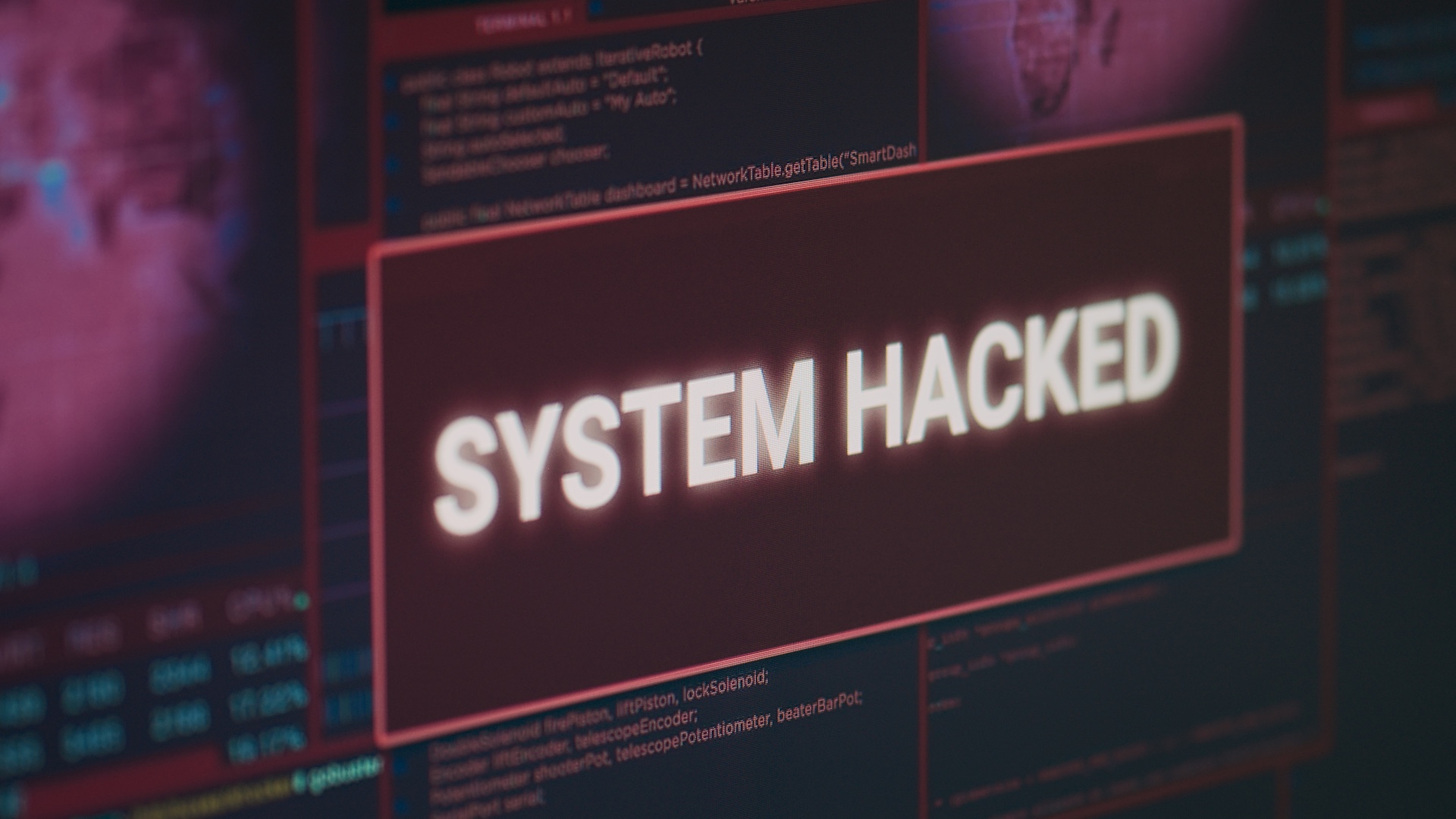
Read more about the article Hackers vs. Scammers: Who’s More Dangerous Online?
A “System Hacked” alert is scary — but most damage starts earlier, when someone quietly steals your access.

Hackers vs. Scammers: Who’s More Dangerous Online?

When most people think of online threats, two words come to mind: hackers and scammers. They sound similar, and both cause headaches, but they’re not the same. Hackers break into…

Comments Off on Hackers vs. Scammers: Who’s More Dangerous Online?
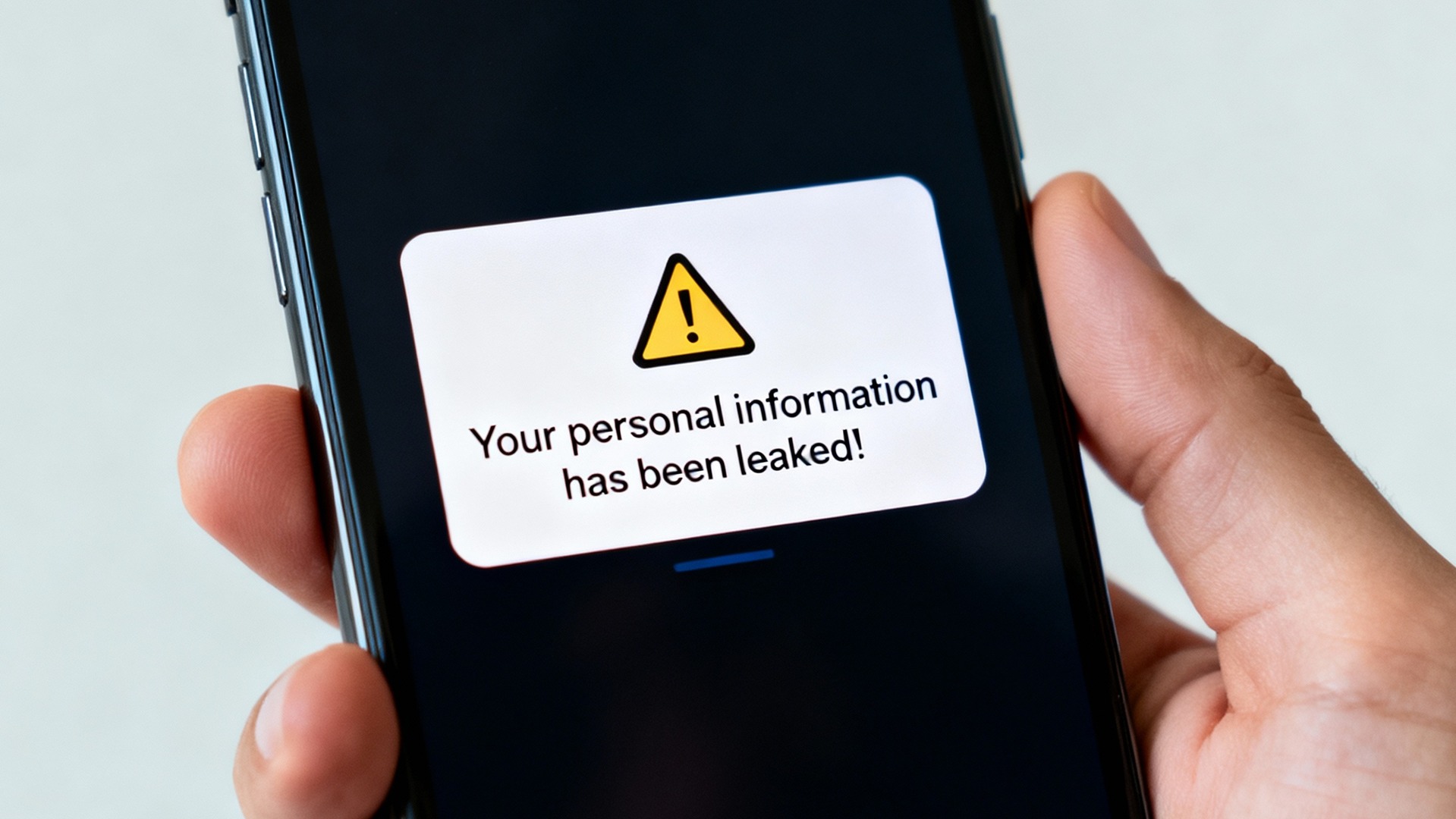
Read more about the article How Digital Profiles Like Yours End Up on the Dark Market
A simple alert like this signals that your data may already be circulating on dark-market sites.

How Digital Profiles Like Yours End Up on the Dark Market

Have you ever wondered what happens after your data gets exposed and passed around — quietly, often without your consent? Usually, bits of your information leak here and there, get…

Comments Off on How Digital Profiles Like Yours End Up on the Dark Market
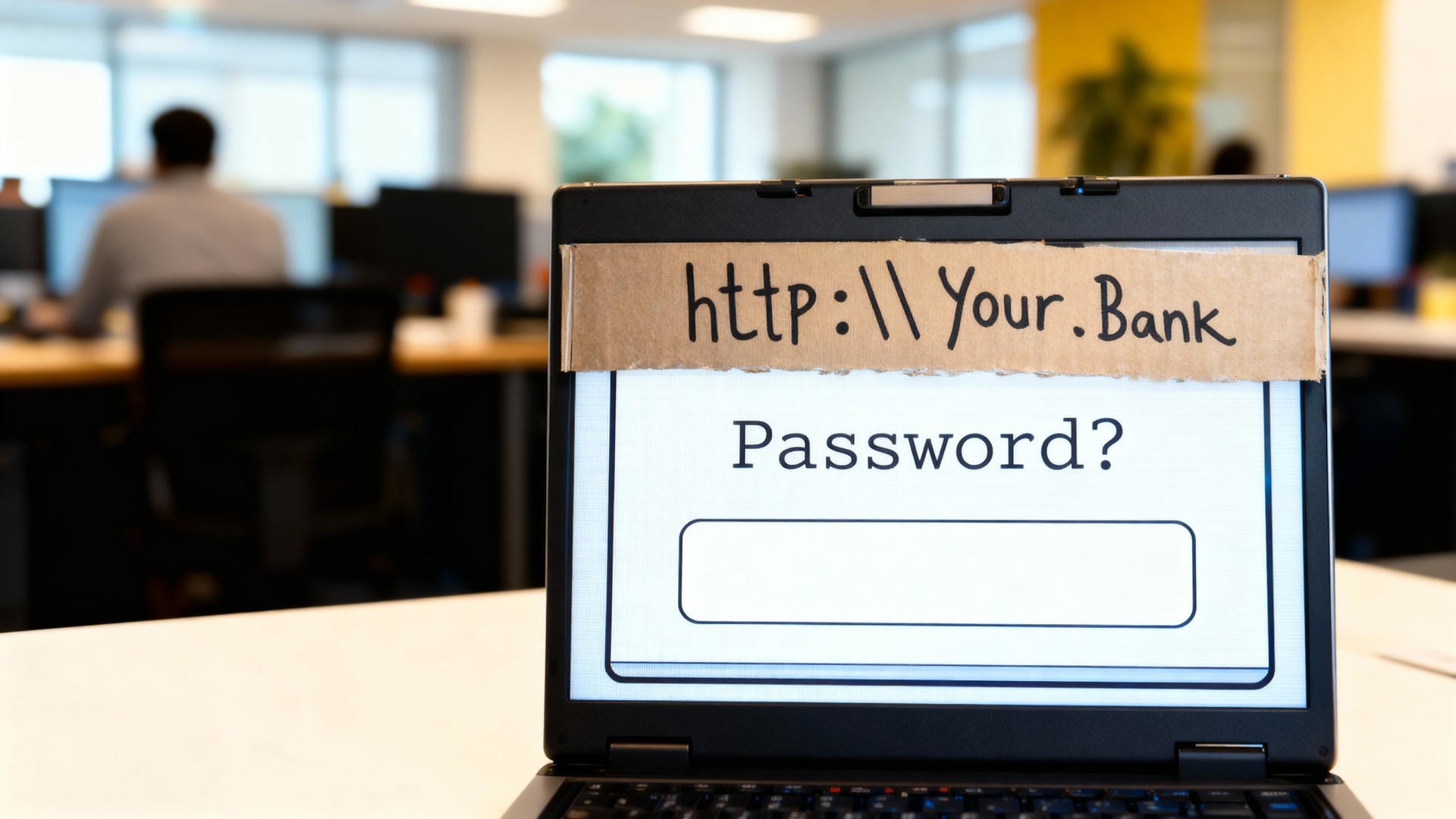
Read more about the article Social Engineering: 5 Tactics Scammers Use to Trick Your Mind
A small detail is usually the giveaway. Scammers count on you not noticing it.

Social Engineering: 5 Tactics Scammers Use to Trick Your Mind

Did you know the biggest danger online isn’t your computer — it’s the sudden alert conversation? The thing is, scammers aren’t always computer geniuses. They don’t need complex tools to…

Comments Off on Social Engineering: 5 Tactics Scammers Use to Trick Your Mind
Read more about the article Why Hackers and Scammers Are Partners in Crime — and What That Means for You
When stolen data meets convincing scams, the result is a powerful trap. This duo is why today’s fraud is so believable.

Why Hackers and Scammers Are Partners in Crime — and What That Means for You

For a long time, people thought hackers and scammers lived in separate worlds. Hackers were the “techies” breaking into systems. Scammers were the “smooth talkers” tricking people one by one.…

Comments Off on Why Hackers and Scammers Are Partners in Crime — and What That Means for You

End of content

No more pages to load