Hackers gained temporary access to one of CareCloud’s healthcare systems, potentially exposing patient data. Here’s what happened, what data may be at risk, and why healthcare platforms remain a target for attackers.
Table of Contents
What Happened
According to The Record, CareCloud, a healthcare technology provider, reported a cybersecurity incident after an attacker gained unauthorized access to one of its systems.
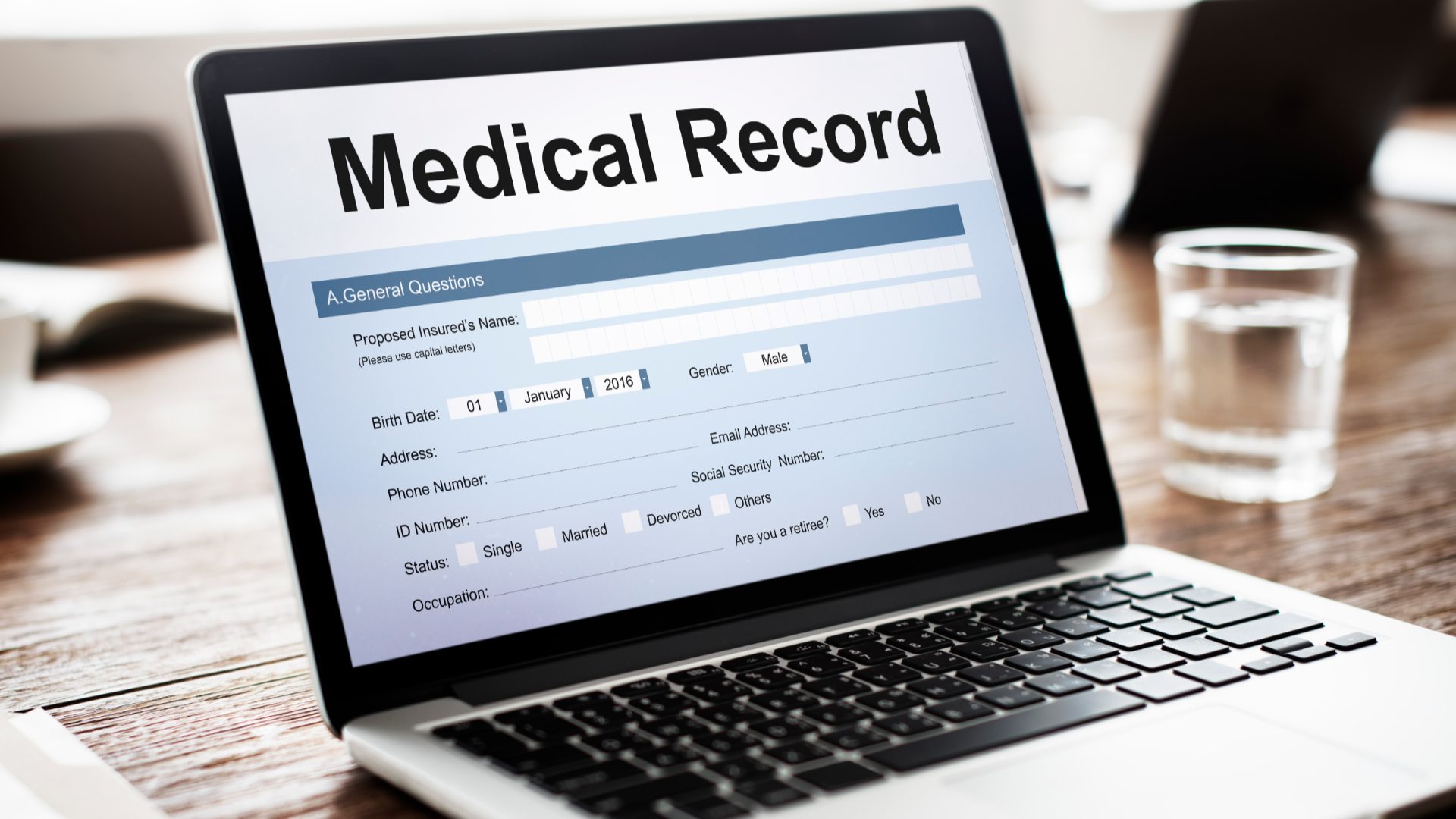
According to a filing with the U.S. Securities and Exchange Commission, the breach happened on March 16, 2026. An attacker accessed one of the company’s electronic health record (EHR) environments.
The incident disrupted the system for about eight hours before the company fully restored it. No other platforms or environments were affected.
What Data Hackers Got Access to
CareCloud has not confirmed whether the attacker accessed or stole any data.
The affected system stores electronic health records, which may include private patient details.
The company is now investigating:
- what type of information may be involved
- how much data may have been affected
- how many people the incident may impact
Even without confirmed data theft, unauthorized access to healthcare systems raises concerns because this data is highly sensitive.
How CareCloud Responded to the Incident
CareCloud reported the breach to the U.S. Securities and Exchange Commission (SEC) on March 24, 2026, after deciding it could be serious due to the data involved.
The company stated that:
- the attacker had temporary access to the system
- the affected environment has been fully restored
- no other systems or platforms were impacted
- an investigation is ongoing to assess the scope of the incident
CareCloud also warned of possible consequences, including legal, regulatory, and reputational risks. So far, no hacking group has claimed responsibility.
Futureproof monitors your data and alerts you early — before small leaks turn into bigger risks. Get started today to stay protected all year long.
What You Can Learn From This Breach to Stay Safer
This case shows that even brief access to a system can create real risks — especially when medical data is involved.
Healthcare platforms are frequent targets because they store large amounts of detailed information.
The CareCloud incident is not an isolated case. In a recent breach, hackers gained access to systems at healthcare technology company TriZetto Provider Solutions, exposing confidential data of more than 3 million people.
Even if data theft is not confirmed, attackers may still use access to prepare phishing attacks, send convincing scam messages, and use exposed details over time.
As a result, you might receive messages that look real — from a clinic or insurance provider — and not know whether to trust them.
That’s why simple habits matter:
- pause before responding to unexpected messages
- avoid clicking links you didn’t expect
- go directly to official websites instead
Small actions like these can help you stay in control and reduce the risk of follow-up scams.

At Futureproof, Kevin makes online safety feel human with clear steps, real examples, and zero fluff. He holds a degree in information technology and studies fraud trends to keep his tips up-to-date.
In his free time, Kevin plays with his cat, enjoys board-game nights, and hunts for New York’s best cinnamon rolls.