
Every season has its patterns. Summer brings heat waves, family trips, and backyard cookouts. But this summer also revealed another pattern — one that’s harder to spot until it hits your wallet.
Scammers have been studying the way people live, scroll, and spend online. They know that Facebook feels like a safe place to keep up with grandchildren, that a phone call from “Social Security” sounds urgent, and that a cheap vacation deal is tempting.
So instead of robbing banks, today’s scammers rob trust — turning ordinary habits into stress.
Below, you’ll find the top 5 scams that dominated this summer and the exact tricks criminals used — so you can recognize them instantly and shut the door before they get in this fall.
Table of Contents
Scam #1. Facebook “Account Under Attack” Message
Scam Type: Social Media Phishing (Account Takeover)
How It Works:
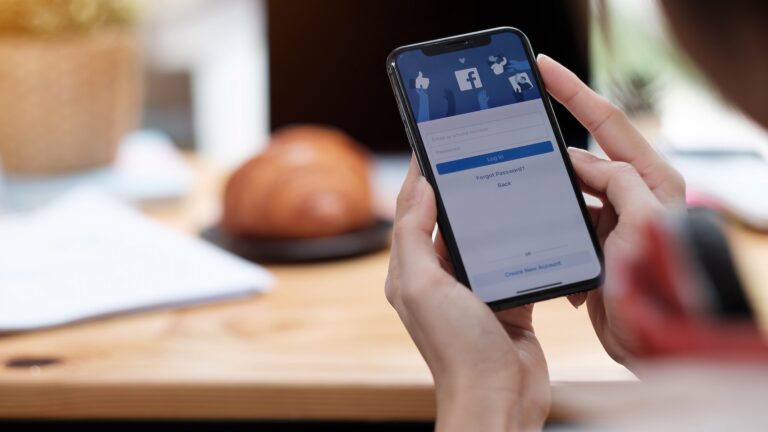
A message appears in Facebook Messenger that looks urgent and official. It may say: “Your account is under attack” or “We detected suspicious activity. Click here to secure your account.”
The link takes you to a website that looks almost identical to Facebook’s login page — same logo, same colors, same layout. The difference? It’s a fake page controlled by scammers.
The moment you type in your username and password, they capture it. Once they have your login, they immediately access your real Facebook profile.
What Happened on August 14:
Forbes reported a surge of this scam in mid-August. Thousands of people worldwide received these fake “Account Under Attack” messages. Senior adults were especially vulnerable because:
- Facebook is where many stay connected with children, grandchildren, and friends. Losing it feels like losing part of daily life.
- The alert sounded urgent, creating panic. Victims clicked before thinking, afraid their photos, messages, and contacts would disappear.
- In several cases, scammers took control of accounts and used them to message family members: “I need money right now, can you help?” They trusted the message because it came from a familiar profile.
Why It Matters:
- If the same password is used for email or banking, scammers can get into more than just social media.
- Victims may be locked out completely, lose photos and messages.
- Recovering access can take weeks of emails with Facebook’s support system
Scam #2. Fake Social Security Calls
Scam Type: Government Impersonation (Identity & Financial Fraud)
How It Works:
A caller pretends to be from the Social Security Administration (SSA). They claim your Social Security Number is blocked, suspended, or tied to a crime. They may say you’ll be arrested unless you pay a “reactivation fee.”
Caller ID often shows “SSA” or “Government Office” to appear official. The caller may speak confidently, using terms like “case number” or “officer badge number” to build trust.
What Happened in June 2025:
The SSA and FTC reported thousands of cases like this during summer. Adults across several states were told their SSNs were “frozen” and they needed to pay $700 to restore them. Victims were asked to pay by gift cards, wire transfer, or cryptocurrency.
Why It Matters:
- Victims lose money immediately, often in amounts of hundreds or thousands.
- Scammers also collect sensitive data, like SSNs and dates of birth, which can be resold or used to open fake accounts.
- Victims may face long-term identity theft issues, including fraudulent loans or benefits claimed in their name.
Futureproof monitors your information for data leaks 24/7 and guides you with clear steps to keep it safer from scams.
Run a free checkScam #3. Suspicious Bank Messages
Scam Type: Phishing & Financial Fraud (Bank Impersonation)
How It Works:
You receive a text, email, or phone call that appears to come from your bank. It says there’s suspicious activity on your account. It urges you to “verify” by clicking a link or sharing a code.
Some scams even use AI voices to sound like a real bank employee. The link leads to a fake website that looks exactly like your bank’s login page.
What Happened in July 2025:
Centier Bank issued a warning after senior adults reported text messages with urgent account alerts. Victims clicked a link, entered their credentials, and were immediately locked out. Several lost access to their checking accounts overnight.
Why It Matters:
- Scammers steal usernames, passwords, and sometimes two-factor codes.
- They drain checking or savings accounts, sometimes within hours.
- They can apply for loans or credit cards in the victim’s name.
Scam #4. “Official” Telemarketing Calls
Scam Type: Telemarketing Fraud (Social Engineering)
How It Works:
A stranger calls, claiming to be from Medicare, the IRS, a utility company, or even a prize organization. The caller says something urgent:
- “Pay now or lose your coverage.”
- “Your electricity will be shut off.”
- “You’ve won a prize, but need to cover the fee.”
They sound polite, professional, and trustworthy, but they pressure you to give personal details or send money immediately.
What Happened in July 2025:
The FBI reported cases of telemarketers pretending to be Medicare agents. Adults were told they qualified for “free medical equipment” but needed to confirm their Social Security number first. Those who shared info later discovered fraudulent medical claims filed in their names.
Why It Matters:
- Criminals gain personal information like SSNs or Medicare IDs.
- Victims may face fraudulent bills, false insurance claims, or loss of benefits.
- In some cases, large sums of money are stolen through fake fees.
Scam #5. Fake Travel Deals & Vacation Rentals
Scam Type: Travel Fraud (Booking & Payment Scams)
How It Works:
Scammers post fake websites or ads offering cheap airline tickets, vacation rentals, or hotel packages. The sites look real, with photos and reviews copied from legitimate sources.
Once payment is made, the booking confirmation arrives — but it’s fake. Sometimes victims only discover the truth when they show up at the hotel or rental and find no reservation.
What Happened in June 2025:
The FTC warned about a wave of fake travel websites offering “luxury beach rentals” at high discounts. One couple paid $2,000 for a summer rental, only to arrive and find the property didn’t exist.
Why It Matters:
- Victims lose thousands of dollars in booking payments.
- Credit card details are often stolen, leading to more fraud.
- Family vacations are ruined, with both financial and emotional costs.
These Scams Can Happen to Anyone
Scammers succeed not just because they sound scary or rushed — but because they understand your daily habits and blind spots.
- Technology looks official now. Caller ID can say “Social Security” or “Bank” — and it’s almost impossible to tell it’s fake.
- Routine makes you slip. You can check emails or Facebook quickly in the morning with coffee. That “quick glance” is exactly when a fake urgent message can get clicked.
- Fatigue and distraction. Scams often happen when you’re tired, traveling, or dealing with daily stress. The brain wants quick solutions, not careful analysis.
Even though scams are getting smarter, you can stay one step ahead.
With a few simple habits, it’s possible to protect money, accounts, and peace of mind. Every click, every call, every decision can be made safer when you know the tricks scammers use.

Your Quick Checklist to Stay Safe
- Pause before acting. That’s the golden rule of digital safety. Scammers push for urgency, while a real agency or company gives you time.
- Verify directly. Hang up and call the official number on the back of your card or the agency’s website.
- Keep passwords strong and unique. Never reuse the same password for Facebook, email, and banking.
- Look for secure signs. Real sites start with “https://” and often have a lock icon in the address bar.
- Turn on automatic security alerts. With Futureproof, you get instant notifications the moment your information gets in the wrong hands. We monitor 24/7, so you can stay one step ahead without lifting a finger.
Final Thought: Scams Don’t Take a Vacation
Scammers count on two things: speed and silence. They rush you so you don’t take time to think, and they hope you won’t talk about what happened. That’s how the cycle keeps going.
So as you head into the fall season, think of these anti-scam tips like your flu shot: a powerful dose of protection that keeps you stronger when the threats come around again. Stay steady and keep your guard up — because the more you see through their tricks, the less power they have.

At Futureproof, Kevin explains digital safety in simple words, with clear tips and zero fluff. He holds a degree in information technology and studies fraud trends to keep his tips up-to-date.
In his free time, Kevin plays with his cat, enjoys board-game nights, and hunts for New York’s best cinnamon rolls.