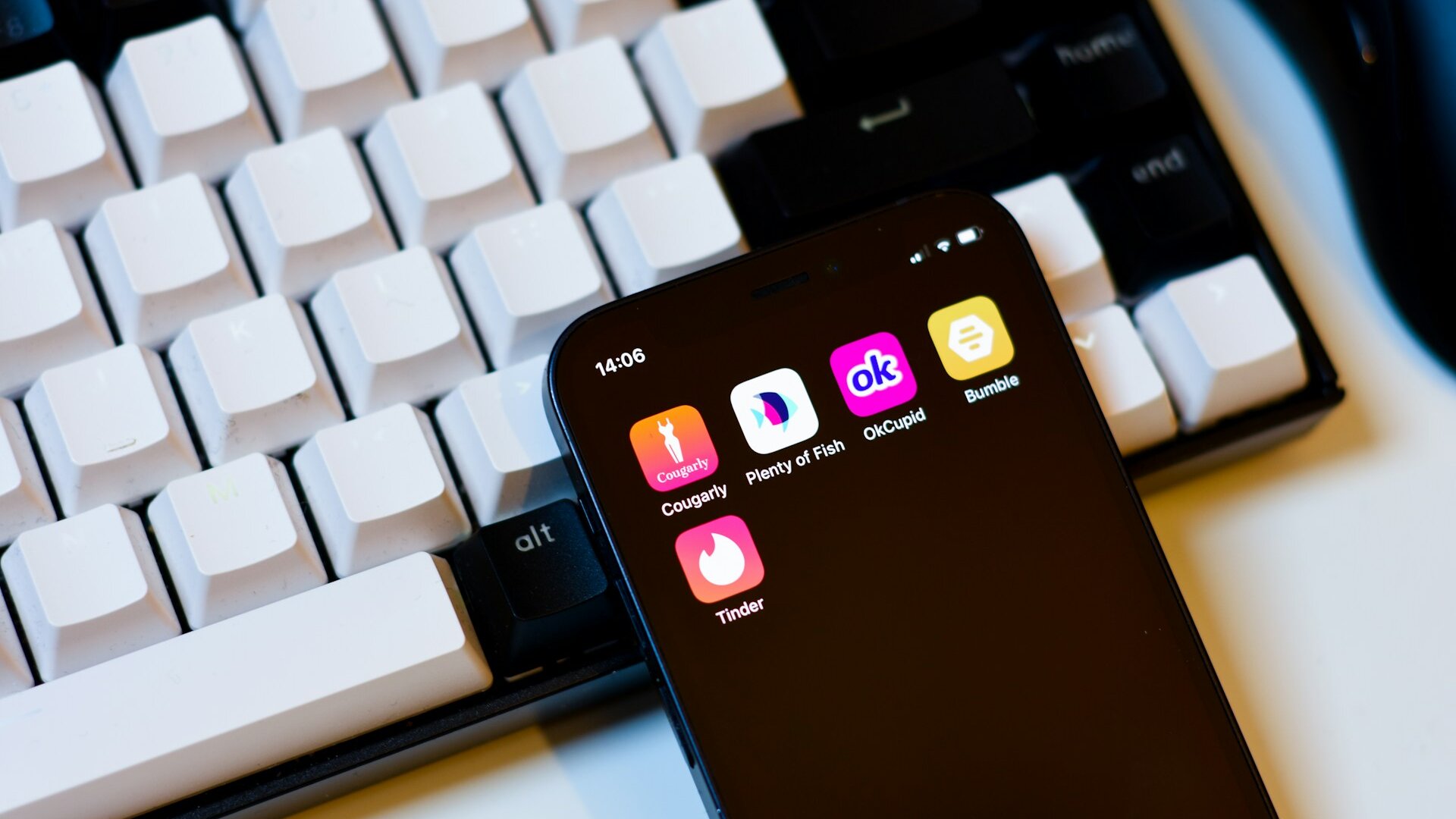
A group of hackers claims to have accessed information of 35 million OkCupid users. Here’s a breakdown of what happened, what data was accessed, and how to protect yourself.
Table of Contents
What Happened?
However, OkCupid disputed the claims. The company told Cybernews that the information shown by the attackers does not match actual OkCupid records and includes details that OkCupid does not store.
The company also said it found no evidence of a breach of its systems.
Who Was Affected and What Data Was Taken?
If the hackers’ claims are accurate, the incident could affect up to 35 million OkCupid users.
Researchers who reviewed the sample found:
- Dating profile information
- Email addresses
- Other personally identifiable information (PII is information that can identify a person)
- Bcrypt password hashes (encrypted versions of passwords)
Researchers confirmed that the email addresses shown in the sample appeared to belong to real users. However, they could not verify whether data from all users was actually taken.
The company has not publicly confirmed how many users were affected or exactly what information may have been taken.
Information from dating platforms can be especially valuable to criminals who may use this type of information in scams.
It is also important to remember that many people don’t realize their information was involved in another data breach or data leak.
If you are not sure whether your information was leaked online, automatic monitoring can help you spot problems earlier.
Futureproof monitors your email 24/7 for data leaks and gives clear steps to secure your account from scams.
How Did the Attack Happen?
The exact method remains unclear.
The attackers claimed they gained “privileged access” to OkCupid’s internal API. This means they may have accessed internal company systems that are normally available only to employees or administrators.
An API (Application Programming Interface) is a system that allows software and services to communicate with each other.
Researchers said the attackers may have accessed an employee or administrator account. Another possibility is that they found a weakness in the API itself. However, there is currently no public evidence confirming either scenario.
They also noted that the data could have been collected from previous breaches involving other services rather than directly from OkCupid.
Futureproof scans your data for leaks and shows exactly how to close security gaps — before scammers find them first.
Check my safetyHow Criminals Can Use Your Dating Profile Information
Dating platforms often contain some of the most personal information people share online.
Unlike many other accounts, dating profiles can reveal personal interests, relationship preferences, private conversations, and other sensitive details.
If criminals obtain that information, they may use it for impersonation, phishing attacks, harassment or blackmail attempts.
A 2025 Pew Research study found that 46% of online daters reported a negative experience related to safety or privacy. Reports of catfishing (creating a fake online identity to deceive someone), unauthorized screenshots, and data breaches have continued to increase in recent years.
Even if the full scope of this incident remains unclear, stories like this show that personal information shared online can sometimes end up in the wrong hands.
The less information criminals can access, the harder it is for them to target you.
3 Simple Ways to Better Protect Your Information
These simple habits can help protect your personal information:
1. Secure your email account
After a data breach, criminals sometimes target email accounts because they can provide access to many other services.
If someone gains access to your email, they may be able to reset passwords elsewhere.
Use a strong password and turn on two-step verification (an extra security step that requires a second code to log in).
If you are not sure how to set up extra protection, the Futureproof Email Protection tool guides you through the process step by step. Email Protection helps you create strong passwords and set up two-step verification to secure your account.
2. Watch for messages that mention personal details
Be careful with emails, texts, or calls that mention information from your dating profile, account details, or personal interests.
Criminals sometimes use information from data breaches to make messages look trustworthy.
If you receive an unexpected request for money, passwords, verification codes, or personal information, contact the company directly through its official website before responding.
3. Review your dating profile information
Many people share more personal details on dating platforms than they realize.
Information about your location, workplace, hobbies, or daily routines can help criminals build convincing phishing messages or impersonation attempts.
Open your dating profile and remove any details that are not necessary. Avoid sharing information that could help someone identify where you live, work, or spend time.
Looking for a Romantic Match Shouldn’t Put Your Privacy at Risk
People use dating apps to meet new people, not to worry about where their personal information might end up.
However, dating profiles often contain details that criminals can misuse in phishing attacks, impersonation scams, and other types of fraud.
The OkCupid incident shows that information shared online can remain valuable to criminals long after you stop using a service or delete an account.
Using strong passwords, turning on two-step verification, and monitoring for data leaks with tools such as Futureproof can help you reduce your risk and spot problems earlier.

At Futureproof, Kevin explains digital safety in simple words, with clear tips and zero fluff. He holds a degree in information technology and studies fraud trends to keep his tips up-to-date.
In his free time, Kevin plays with his cat, enjoys board-game nights, and hunts for New York’s best cinnamon rolls.