A North Carolina hockey fan lost $1,000 after buying Stanley Cup Final tickets through a Facebook resale group. Here’s what happened, how the fraud worked, and how to protect yourself.
Table of Contents
What Happened?
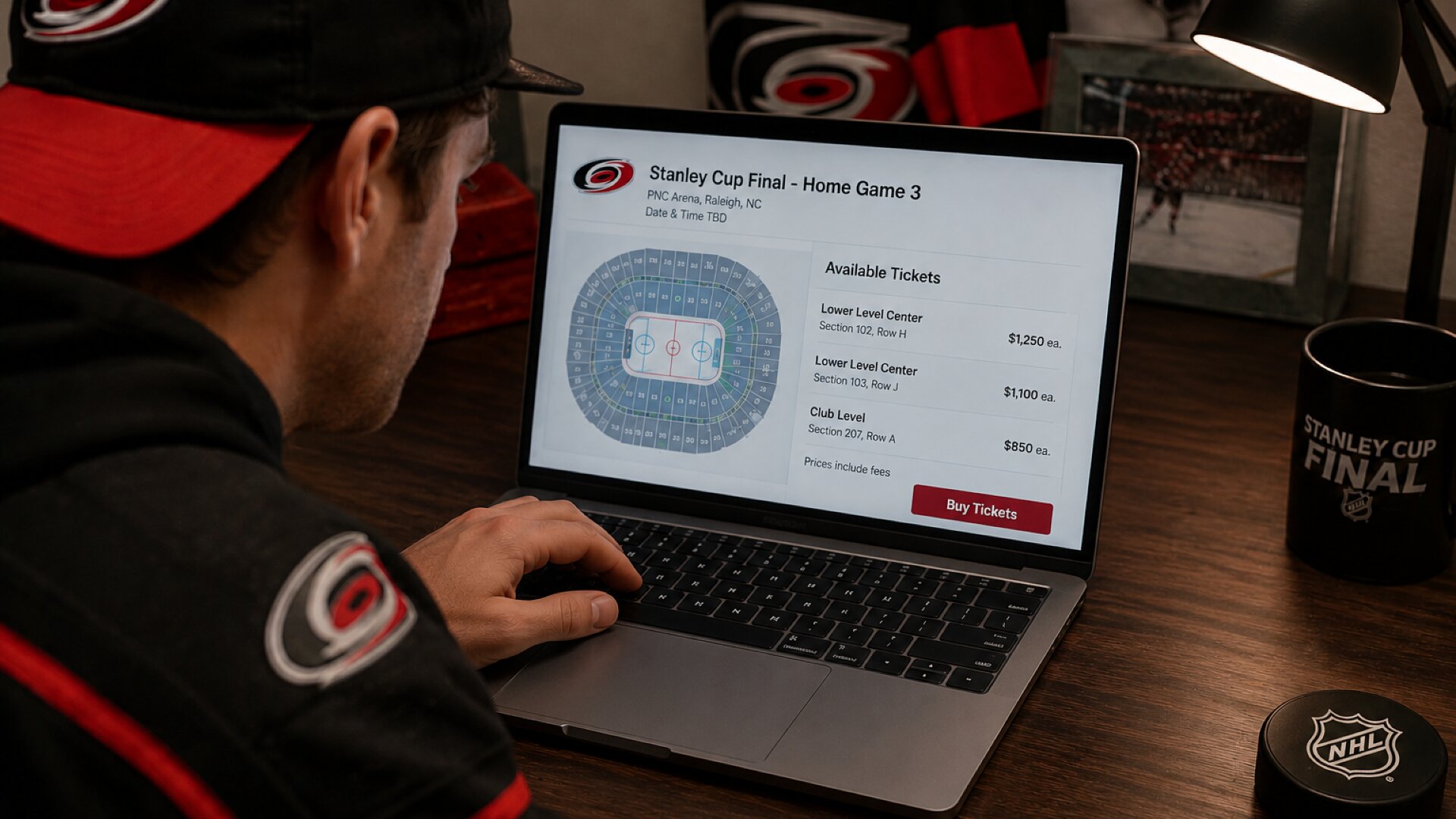
According to ABC11, Carolina Hurricanes fan Rebecca Cornwell lost $1,000 while trying to buy Stanley Cup Final tickets through a Facebook resale group. The incident happened in Raleigh, North Carolina, shortly before the Stanley Cup Final.
Cornwell said she found a Facebook group that seemed trustworthy for buying and selling Hurricanes tickets. The group regularly posted warnings about fraud and encouraged buyers to contact administrators for help verifying sellers.
After contacting a person she believed was a group administrator, Cornwell agreed to buy two tickets for $500 each. She received a screenshot that appeared to show the tickets and then sent $1,000 to the seller. The tickets never arrived in her Ticketmaster account.
ABC11 later heard from another buyer who reported losing money in the same Facebook group, through the same person who claimed to be an administrator. The Facebook profile linked to the account was later deleted.
Who Lost Money and What Information Was Shared?
The known victims were people trying to buy Stanley Cup Final tickets through the Facebook resale group. ABC11 confirmed that at least two buyers reported losing money.
The report did not say whether any personal information was stolen. The known loss involved money paid for tickets that were never delivered. Public reports did not specify the total number of victims or the total amount lost.
Even when criminals do not steal sensitive information, they can still use trust and urgency to convince people to send money. Major sporting events often create pressure to act quickly before tickets sell out.
However, many scams that seem simple on the surface actually begin somewhere else: with information that is already circulating as a result of past data breaches and data leaks. Stolen details such as names and email addresses can help make a scammer’s offer look more trustworthy.
This is something many people do not realize. They follow high-profile fraud stories like this one without realizing that their own information may already be exposed in a data leak, waiting to be used in a future scam.
If you are not sure whether your information was leaked, automatic monitoring can help you spot problems earlier.
Futureproof monitors your data for leaks 24/7 and helps you reduce scam risks with simple, clear steps.
How Did the Ticket Fraud Work?
The Stanley Cup ticket scam worked because victims believed it came from a trusted source within the Facebook group.
A person claiming to be a Facebook group administrator told hockey fans that ticket sellers had already been verified. Buyers were then asked to send money after receiving screenshots that supposedly showed the tickets had been transferred.
Consumer advocates told ABC11 that screenshots are a major warning sign. A screenshot can be copied and sent to multiple people.
Real Ticketmaster tickets are usually transferred directly through Ticketmaster, not through screenshots. They also use live barcodes that change regularly, making them much harder to copy or reuse.
After buyers sent their money, the tickets never arrived.
This type of fraud is often called a social engineering attack (a trick that manipulates people into trusting a criminal). Instead of hacking a system, criminals convince victims to willingly send money.
Futureproof keeps your data safer with simple guidance to set a strong password, turn on 2-step verification, and lock down your account.
Check my safetyWhat This Story Can Teach You About Online Purchases
Large sporting events, concerts, and playoff games often attract criminals because fans are eager to secure tickets before they sell out.
A social media profile, group admin, or ticket screenshot may look real, but that does not mean you can trust the seller.

3 Simple Ways to Avoid Ticket Fraud
These simple habits can help protect your money:
1. Buy tickets only through official ticket platforms
Official sellers and established resale platforms often provide buyer protection if something goes wrong.
Before sending money, check whether the tickets are available through the event’s official website or approved resale marketplace. Those services usually provide support if tickets are not delivered.
2. Never trust screenshots as proof
A screenshot can be copied, edited, or shared with multiple buyers.
Ask the seller to transfer the tickets directly through the official ticket platform. If the tickets do not appear in your account, do not send money.
3. Use a payment method that can help you get your money back
Many ticket scammers ask buyers to pay through bank transfers, cash apps, or person-to-person payment services because those payments are often difficult to reverse.
Before sending money, check whether your payment method includes buyer protection. If the tickets never arrive or turn out to be fake, you may have a better chance of recovering your money through your bank or payment provider.
One Screenshot Can Be Enough to Cost You Money
The ticket fraud that affected Hurricanes fans shows how easily criminals can use trust and urgency to their advantage.
Before sending money, make sure that the tickets are in your account through the official platform and do not rely on screenshots as proof.
Taking a few extra minutes can save hundreds or even thousands of dollars and a lot of stress.

At Futureproof, Kevin explains digital safety in simple words, with clear tips and zero fluff. He holds a degree in information technology and studies fraud trends to keep his tips up-to-date.
In his free time, Kevin plays with his cat, enjoys board-game nights, and hunts for New York’s best cinnamon rolls.