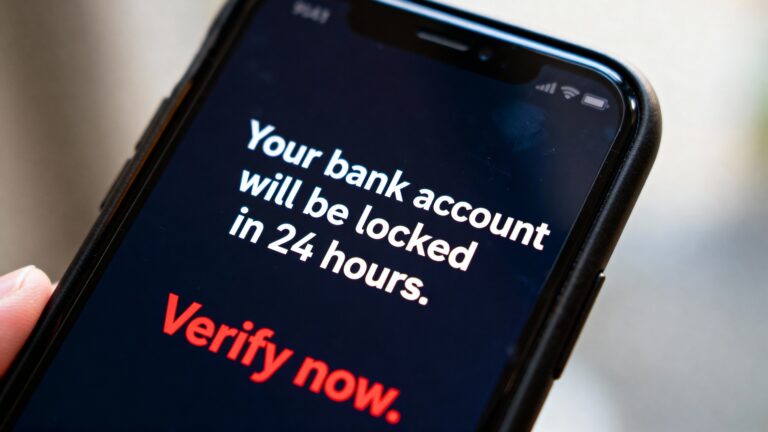

Romance scams cost Americans billions of dollars each year. Learn how today’s romance scams begin, how they unfold, and what you can do to protect yourself quickly and confidently online.
Table of Contents
Romance scams are not just about fake love letters anymore. In 2026, scammers use AI-generated photos, polished scripts, and cryptocurrency platforms to make their stories look real.
This guide shows the most common romance scams right now — and exactly how to spot them early.
What Is a Romance Scam?
A romance scam is when someone pretends to build a romantic relationship with you — but their real goal is money.
According to the FTC, Americans reported at least $823 million in losses from online romance scams in 2024, with tens of thousands of people affected. Many cases go unreported, meaning the real losses are likely higher.
The scammer may contact you on a dating site, Facebook, Instagram, or even through a random text message. At first, the conversation feels normal. They are kind, attentive, and often say they are looking for something serious.
But over time, the relationship moves fast. They avoid meeting in person. They may refuse live video chats. And eventually, they create a problem that costs you money.
If someone you have never met in real life asks you for money, gift cards, wire transfers, or cryptocurrency — it is a scam.

Top 5 Romance Scams in 2026
Here are the five most common romance scams:
1. The “Military or Overseas Contractor” Romance Scam
How it starts:
You receive a connection request or private message from someone with a professional-looking profile. They begin writing daily and quickly move the conversation to a more private space.
What they say:
They claim they work overseas on a military or contract assignment. They say they want a serious relationship, but cannot video chat because of work restrictions.
How they request money:
They ask for funds to cover travel, documents, shipping, or emergency leave so they can return home.
2. The Crypto Romance Scam
How it starts:
You receive a friendly message that turns into a steady daily conversation. The person shares photos and talks about financial success.
What they say:
They describe making money through cryptocurrency or online investing. They offer to help you earn profits too.
How they request money:
They guide you to deposit money on an investment platform that shows fake profits. When you try to withdraw, they demand more payments.
Futureproof keeps your data safer with simple guidance to set a strong password, turn on 2-step verification, and lock down your account.
Check my safety3. The Fake Public Figure Romance Scam
How it starts:
You receive a private message from someone claiming to be a well-known public figure. The profile looks convincing.
What they say:
They say they want a private relationship and ask you to keep the communication confidential.
How they request money:
They ask for gift cards, membership fees, or cryptocurrency to arrange private meetings or secure communication.
4. The Sudden Medical Emergency Romance Scam
How it starts:
After weeks of steady communication, the tone suddenly changes. You receive an urgent message about an unexpected crisis.
What they say:
They claim they were injured, hospitalized, stranded, or locked out of their bank account.
How they request money:
They ask you to send money immediately for medical bills, travel, or emergency expenses.
5. The Inheritance or “Future Together” Romance Scam
How it starts:
Someone you’ve been communicating with begins talking seriously about marriage or a shared future.
What they say:
They mention inheritance money, property sales, or investment opportunities that involve both of you.
How they request money:
They ask you to transfer funds to unlock accounts, pay fees, or invest jointly.
6 Clear Signs You’re Dealing With a Romance Scammer
If you see even two or three of these, pause immediately:
- They won’t meet in person.
- They avoid live video chat.
- They say “I love you” very quickly.
- Their story includes overseas work or secrecy.
- They ask you to keep the relationship private.
- They request crypto, gift cards, or wire transfers.
Those are not romance signs. They are scam patterns.
What To Do If You’re Talking to Someone Like This
Take action calmly and quickly:
1. End the conversation
Do not argue, explain, or try to “prove” anything. Block the account and stop replying.
2. Don’t send money
Do not send another dollar — even if they promise to return your money or “unlock” funds.
3. Save the evidence
Take screenshots of:
- Their profile
- Messages
- Payment instructions
- Account numbers or crypto wallet addresses
Do not delete the conversation.
4. Call your bank
Use the number on the back of your card.
Ask the bank to:
- Review recent transactions
- Attempt to stop or reverse transfers
- Add fraud alerts to your account
If you sent a wire, act within 24 hours.
5. Report the scam
File a report with:
- Federal Trade Commission at ReportFraud.ftc.gov
- FBI Internet Crime Complaint Center at IC3.gov
Include as much detail as possible.
Futureproof keeps watch for digital risks and data leaks and helps you fix problems early. Get started today to stay protected all year long.
Key Takeaway: Scammers Build Emotion First — Then Ask for Money
Romance scammers do not look suspicious. They look kind, patient, and emotionally supportive.
But real relationships do not require secrecy, emergency payments, or cryptocurrency. If money comes up before you’ve met in person, step back.
Pause. Talk to someone you trust. That simple pause can save thousands of dollars — and a lot of heartache.

At Futureproof, Kevin explains digital safety in simple words, with clear tips and zero fluff. He holds a degree in information technology and studies fraud trends to keep his tips up-to-date.
In his free time, Kevin plays with his cat, enjoys board-game nights, and hunts for New York’s best cinnamon rolls.