Who doesn’t love gift cards? They are fun and convenient — a perfect way to treat yourself or surprise someone you love with a birthday gift, a holiday treat, or just a simple way to say “thank you.”
Table of Contents
But behind that simple little piece of plastic, scammers have found a goldmine. They’ve learned that the very thing that makes gift cards so popular — their convenience and trustworthiness — also makes them the perfect trap.
More and more fake Walmart and Costco gift card offers are flooding inboxes, phones, and text messages, dressed up to look like something you’d never question.
But once you know the warning signs, spotting a scam becomes almost second nature. So here’s what you should know to stay safe before the next “free gift card” offer lands in your phone or email.
How the Gift Card Scams Usually Play Out
Scammers don’t just say “Here’s a free card” — they use a process designed to trick you. Here’s what it looks like:
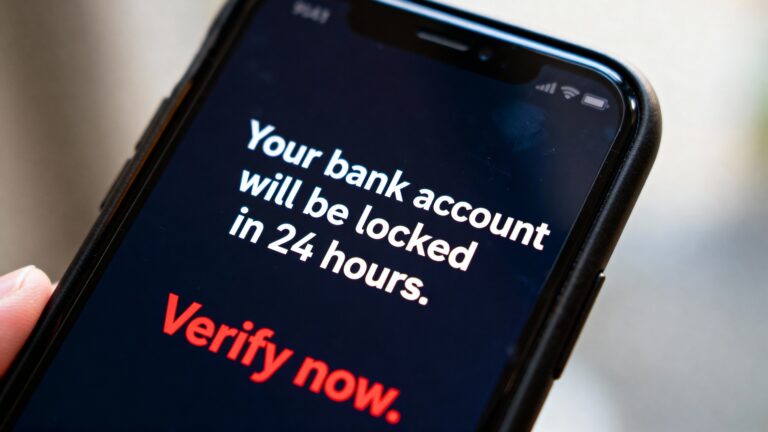
- It starts out friendly. You get a call, text, or email that sounds polite: “Congratulations! You’ve won a $500 Walmart or Costco gift card.”
- They push you to the next step. To “claim” the gift card, they ask you to click a link, fill out a short survey, or call a special number.
- Then comes the catch. At the end, they want one of two things:
– Your personal details (address, birth date, even Social Security).
– A small fee (for example, $2.95 for “processing”).
- The damage. Once you share that, the scammer either disappears with your money — or keeps using your information to take even more.
A Real Story: Even the Smartest Can Be Tricked
Copeland Bertsche, a retired lawyer with an MBA, lost $68,500 to a gift card scam. Here’s how it happened:
1. The first call sounded official. Someone pretending to be Apple Tech Support said his computer was hacked. They convinced him to allow remote access.
2. They asked for “tests” with gift cards. Over nine days, he bought 140 gift cards at $500 each and read the codes aloud to the scammer.
3. False promises kept him going. He was told the charges would never appear on his card. At one point, they even told him to lie to his bank — to say the purchases were “graduation cards.”
4. The outcome was harsh. When he realized it was a scam, he tried to dispute the charges. The bank denied the claim and put him on a payment plan.
After this situation, Copeland Bertsche only said this:
“Don’t trust anything. Don’t trust anybody.”
This entire story means one thing: if even a highly educated lawyer can be tricked into losing thousands of dollars, anyone can fall for these scams.
That’s why spotting the warning signs early is so important.
Futureproof scans your data for leaks and shows exactly how to close security gaps — before scammers find them first.
Check my safety5 Red Flags That Scream “It’s a Scam”
Here’s what to look for — if you see even one of these, stop immediately:
- Bad spelling or odd wording
Real Walmart and Costco messages are professional. Scammers often write in broken English or use odd phrases. - Suspicious email address
Example: walmart-prizes@freegift123.com — not from @walmart.com or @costco.com. - Unrealistic offers
No company gives away hundreds of dollars for clicking a link. - High-pressure language
“Claim in 1 hour or you lose it!” Scammers use urgency to stop you from thinking. - Strange links
Hover over the blue link with your mouse (don’t click). If it doesn’t end in .walmart.com or .costco.com, it’s fake.
What To Do Right Away
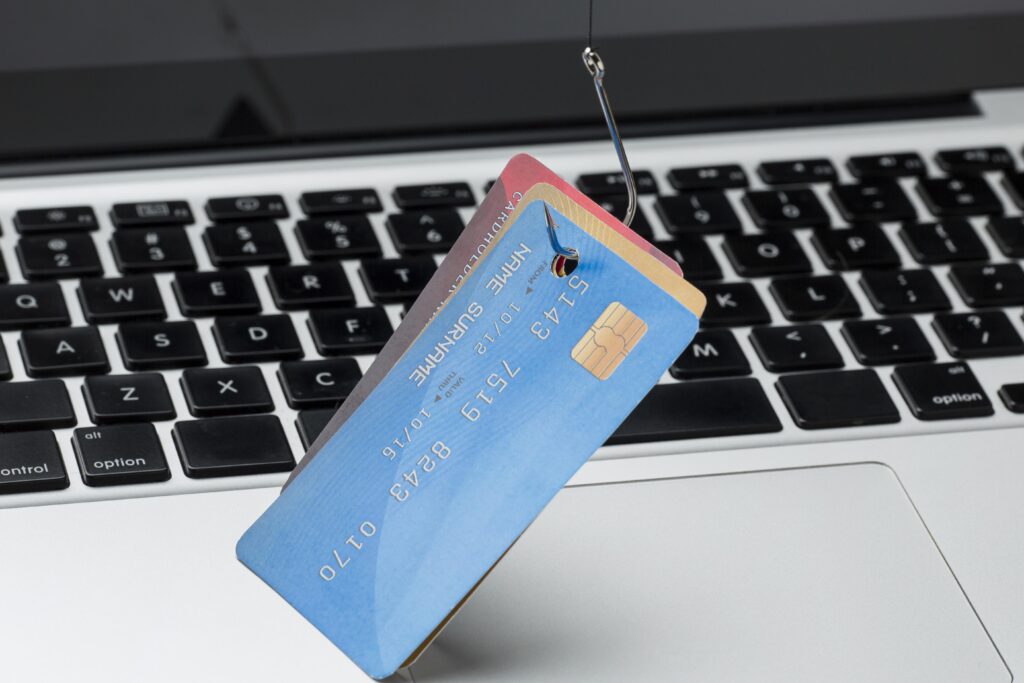
If a message looks suspicious:
✔️ Delete it — don’t click.
✔️ Don’t call back. The number connects straight to the scammer.
✔️ Never share personal details. Even a home address can be misused.
✔️ Block the sender. Whether it’s a text or an email, stop them from reaching you again.
The 15-Second Gift Card Test
Ask yourself three quick questions:
- Did this come from an unknown sender?
- Did they ask me for money or details?
- Does it sound too good to be true?
If you answered yes to even one — it’s a scam.

What to Do If You Already Clicked or Paid
First — don’t blame yourself. Scammers trick millions every year. Then, do this:
- Call your bank immediately. Tell them it was a scam. They can block further charges.
- Change your passwords. Especially if you typed them in.
- Watch your statements. Report any charges you don’t recognize.
- Contact Walmart or Costco directly to report your case:
Walmart
- Call 1-888-537-5503 and follow Walmart’s instructions.
- Keep a copy of your Walmart gift card or store receipt.
- Visit Walmart’s official website to learn about scams.
Costco
- Call 1-877-463-1571 and follow Costco’s instructions.
- Keep a copy of your Costco gift card or store receipt.
- Visit Costco’s official website for more information.
- Talk to someone you trust. Don’t keep it to yourself — sharing helps prevent others from falling victim.
Acting quickly can limit the damage — and every step you take makes it harder for the scammer to hurt you again.
Spot the Difference: Fake vs. Real Gift Card Offers
| Fake Gift Card Offer | Real Gift Card |
| Sent by email, text, or phone out of nowhere | Only sold in official Walmart/Costco stores or websites |
| Asks for personal info (SSN, address, birth date) | Never asks for personal details |
| Requires a “processing fee” | Requires no extra payments |
| Pushes urgency: “Act in 1 hour!” | No deadline or pressure |
| Links lead to fake websites | Redeem only on Walmart.com or Costco.com |
Final Word: Scammers Lose When You Stay Calm
The next time you see a surprise Walmart or Costco gift card message pop up on your screen, pause for a moment.
Imagine the real gift cards lined up on the rack at your store — solid, simple, and right where they belong. Compare that to the message flashing on your phone, demanding your details or money, and you’ll notice the difference right away.
Stay alert, stay confident, and remember: a real gift never comes at a cost. Delete the fakes, hold on to what’s real, and keep your hard-earned dollars exactly where they belong — with you.

At Futureproof, Kevin explains digital safety in simple words, with clear tips and zero fluff. He holds a degree in information technology and studies fraud trends to keep his tips up-to-date.
In his free time, Kevin plays with his cat, enjoys board-game nights, and hunts for New York’s best cinnamon rolls.